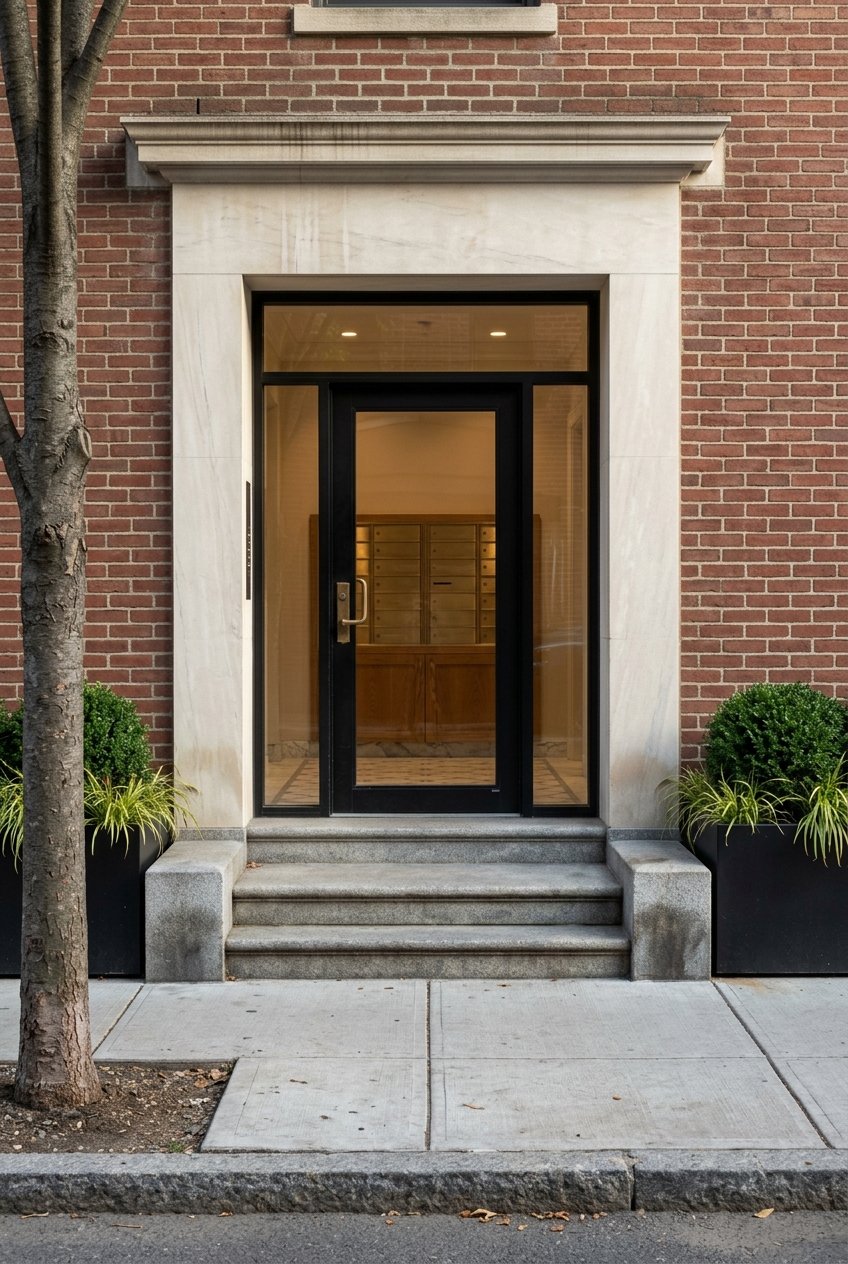
If you are shopping in Harlem, choosing the right property type can matter almost as much as choosing the right block. A beautiful apartment or townhouse may look perfect at first glance, but the ownership structure behind it can shape your monthly costs, renovation plans, financing path, and day-to-day experience. If you are weighing a co-op, condo, or townhouse in Harlem, this guide will help you understand the tradeoffs so you can make a smarter, more confident decision. Let’s dive in.
Why property type matters in Harlem
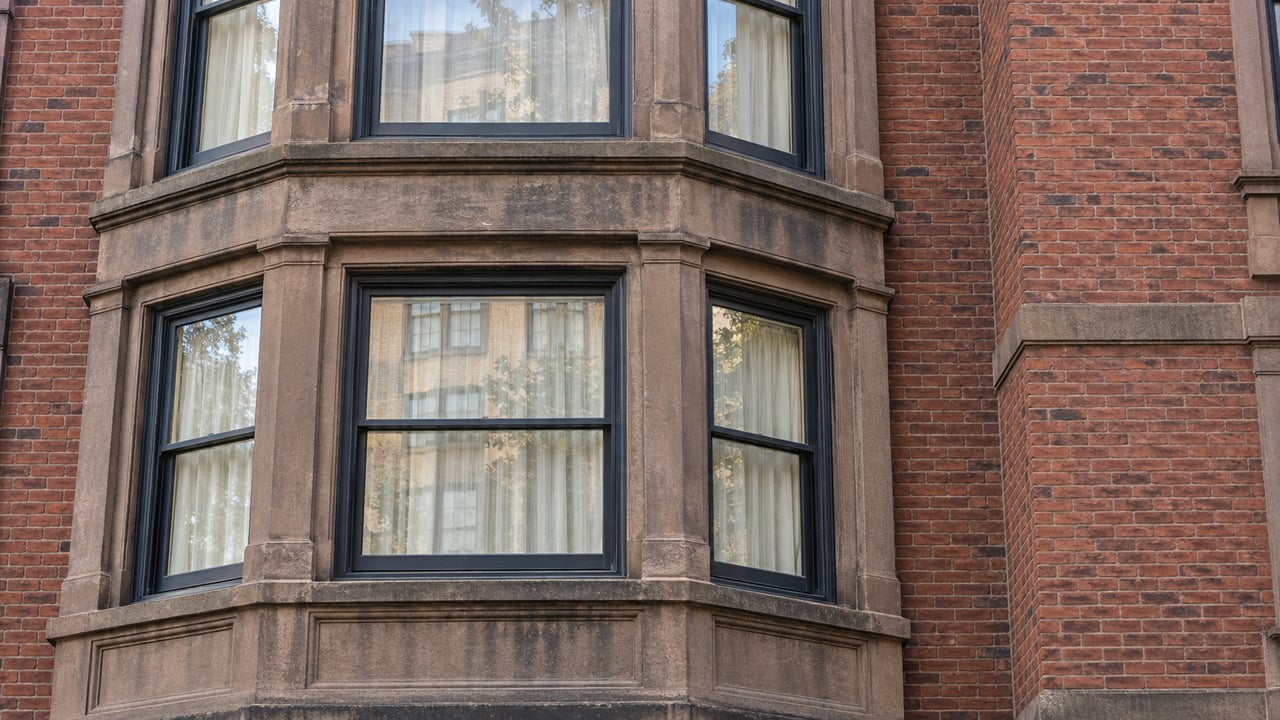
Harlem offers a wide range of housing forms, from historic rowhouse blocks to multi-family buildings and larger apartment corridors along major avenues. That variety is part of what makes the neighborhood so compelling, but it also means your ownership experience can look very different depending on what you buy.
A co-op, condo, and townhouse may all put you in Harlem, but they do not work the same way. The legal structure, monthly expenses, building governance, and maintenance responsibilities can vary in important ways that affect both your budget and your lifestyle.
How co-ops work in Harlem
In a co-op, you are not buying real property in the same way you do with a condo or townhouse. Instead, you purchase shares in a corporation and receive a long-term proprietary lease that gives you the right to occupy a specific apartment.
That structure creates a more collective form of ownership. Shareholders elect the board, and the board operates under the building’s bylaws, proprietary lease, and house rules. If you are considering a Harlem co-op, it is smart to understand that the building’s governance is not a side issue. It is central to how ownership works.
What co-op ownership feels like
Many buyers like co-ops because they often come with a more defined building culture and a monthly maintenance payment that bundles several building-related costs into one number. That can make budgeting feel more predictable than a property type where expenses are split into multiple bills.
At the same time, co-op ownership usually involves more review and more scrutiny. The New York Attorney General recommends reading the offering plan, board minutes, and annual reports before signing. Those documents can tell you a great deal about the building’s finances, rules, and recent concerns.
Co-op costs to understand
In a co-op, you typically pay a monthly maintenance charge based on your shares. Depending on the building, that monthly figure may also connect indirectly to larger building-level financial matters, including a blanket mortgage or flip-tax provisions.
Some Harlem buyers may also come across HDFC co-ops. These are a special category with reduced real estate taxes in exchange for income and resale restrictions, and many also have sublet limits or flip taxes used to support repairs and reserves. If you are exploring an HDFC, it is especially important to read the rules carefully and confirm that the property fits your long-term plans.
How condos work in Harlem
A condo offers a more direct ownership structure. Under New York condominium law, you own your individual unit and also hold an undivided interest in the building’s common elements.
For many buyers, that feels more straightforward. You are buying a distinct piece of real estate, and that clarity can be appealing if you want ownership that is easier to understand on paper and in practice.
What condo ownership feels like
Condo buyers often like the sense of direct control over their own unit. While the building still has rules and common expenses, the ownership model is generally less layered than a co-op structure.
That said, condos still require you to pay attention to the building itself. Your ownership is tied not just to the apartment, but also to the shared systems, finances, and common areas that affect the property as a whole.
Condo costs to understand
Condo carrying costs are usually more separated than co-op costs. Instead of one bundled monthly maintenance number, you are often looking at a combination of mortgage payment, property taxes, and common charges.
In New York, each condo unit and its common interest are separately assessed and taxed. In New York City, the co-op and condo tax abatement for eligible primary-residence units is generally handled by the board or managing agent. For buyers, the key is to look at the full monthly picture rather than focusing on just one line item.
How townhouses work in Harlem
A townhouse is the closest of these three options to owning a house in the traditional sense. Rather than owning shares in a corporation or one unit in a larger condominium structure, you are usually taking on the full property and the responsibilities that come with it.
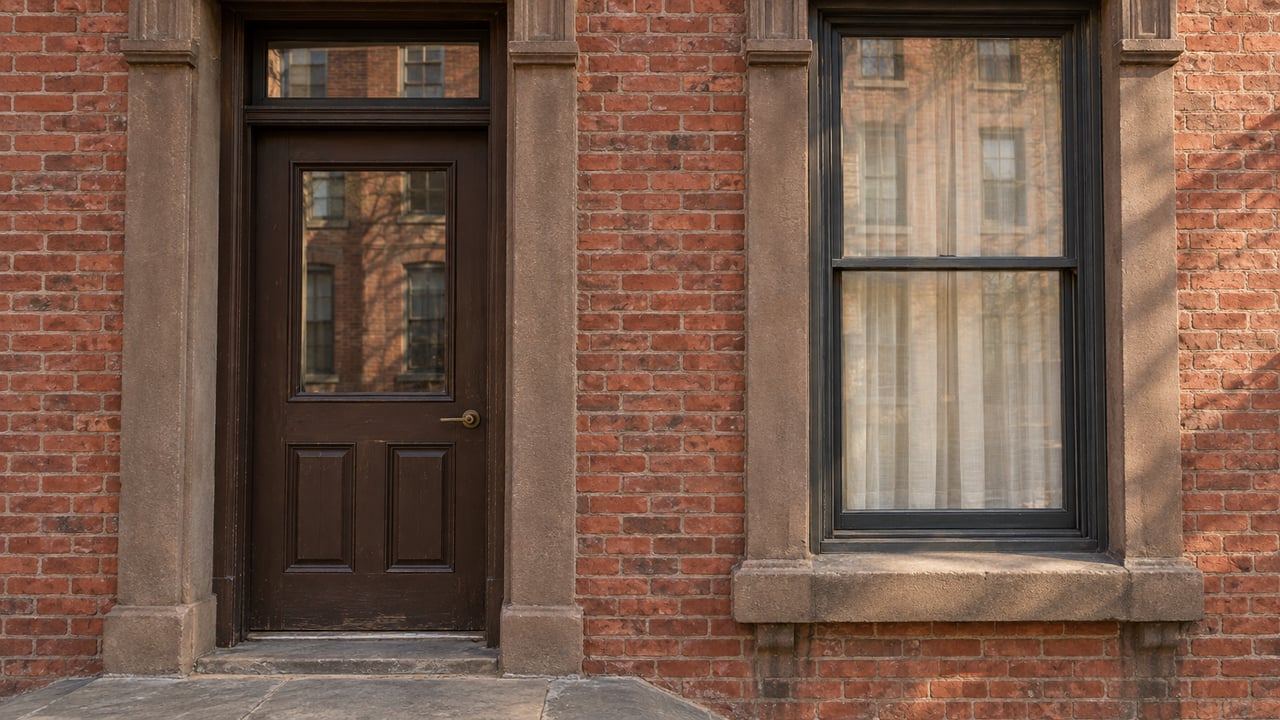
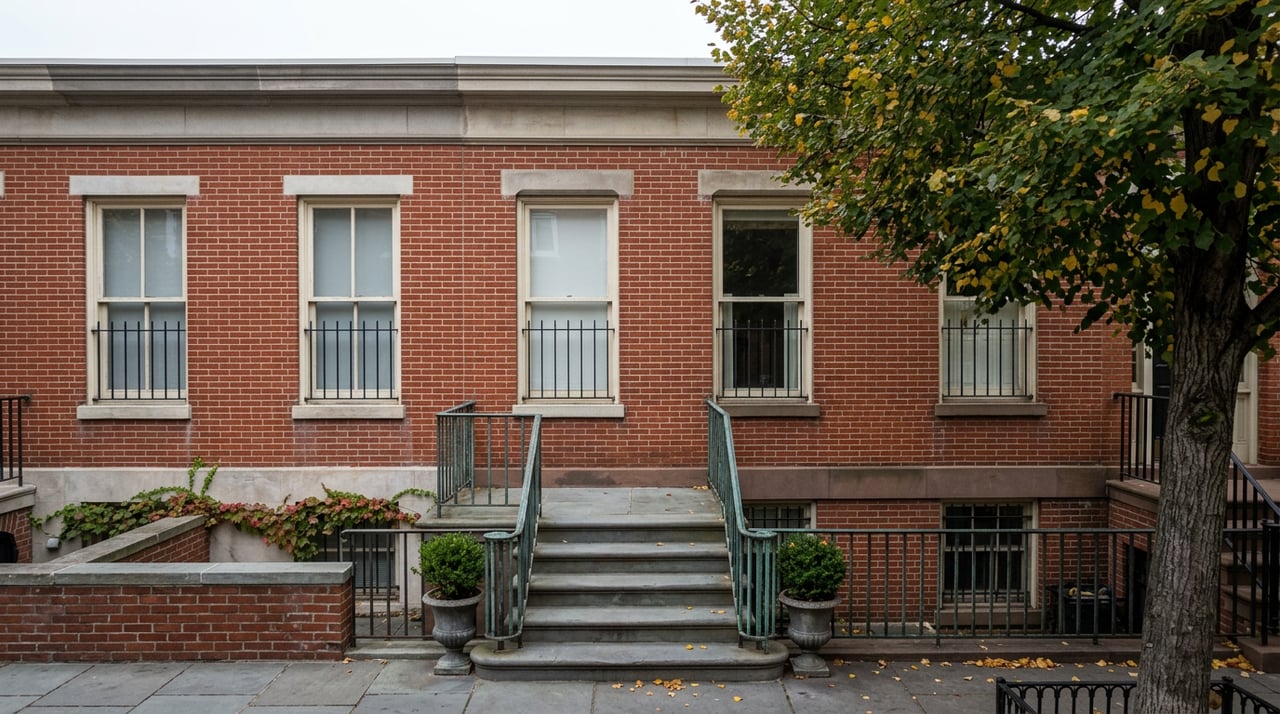
In Harlem, that can be especially meaningful because the neighborhood includes historic rowhouse streetscapes and landmarked areas. If you love the idea of a stoop, original details, and more physical control over your home, a townhouse can be incredibly rewarding. It also asks more of you as an owner.
What townhouse ownership feels like
Townhouse ownership often appeals to buyers who want space, privacy, and more control over the physical environment. You are not working within a co-op board structure, and you are not sharing as many maintenance responsibilities through a building-wide system.
But that freedom comes with a wider range of obligations. New York City agencies make clear that property owners are responsible for keeping their properties safe and well maintained, and buyers may also inherit the need to legalize prior work or resolve outstanding code issues.
Townhouse costs to understand
With a townhouse, you tend to absorb more costs directly. Property tax bills in New York City are issued quarterly or semiannually, and in addition to taxes, owners are responsible for repairs, insurance, and keeping the building compliant.
That means townhouse expenses can be less predictable than expenses in a co-op or condo. If a roof needs work, a facade needs repair, or a mechanical system needs replacing, there is no larger building structure spreading that cost across many owners.
Landmark issues Harlem townhouse buyers should know
In Harlem, landmark status is not a detail to gloss over. If a townhouse is located in a historic district, many exterior changes require review by the Landmarks Preservation Commission.
That can include additions, demolitions, new construction, and the removal of stoops or other significant features. Ordinary repairs may not require the same level of review, but if your vision includes exterior changes, it is important to understand that approval timelines and design constraints may affect your plans.
Comparing monthly costs
One of the easiest ways to compare these property types is to look at how the monthly carrying cost is structured.
| Property type | Typical cost structure | What to watch |
|---|---|---|
| Co-op | Monthly maintenance plus financing costs | Building finances, blanket mortgage, house rules, possible flip tax |
| Condo | Mortgage, property taxes, and common charges | Full monthly total, project eligibility, assessments |
| Townhouse | Mortgage, property taxes, insurance, repairs, compliance costs | Variable maintenance, repair reserves, permit or code issues |
The headline number can be misleading. A co-op may look expensive each month but include costs that would appear separately in a condo or townhouse. A townhouse may seem simpler at first, but the true budget needs to account for ongoing maintenance and future capital work.
Financing differences to expect
Financing is another area where these ownership types can feel very different.
Co-op financing
Co-op financing is its own category. A co-op share loan finances the shares and occupancy rights in the corporation, and lenders also evaluate whether the co-op project itself meets their standards.
This is one reason co-op deals can feel more document-heavy and more lawyer- and lender-intensive. If you are buying a Harlem co-op, it helps to expect a process with more moving parts from the start.
Condo financing
Condo financing is often more straightforward than co-op financing, but it is not automatic. Lenders still need to confirm that the condo project meets eligibility requirements.
That means the apartment you love may still depend on project-level approval from the lender’s side. As you compare options, it is wise to review official Loan Estimates from multiple lenders rather than assuming one property type will always be less expensive to finance.
Townhouse financing
Townhouse financing often resembles a more standard house purchase because you are underwriting the whole property rather than shares in a corporation or a unit in a project-reviewed condo. Even so, the property’s condition, repair needs, taxes, and insurance costs still matter.
In Harlem, those issues can become even more important on older or historic blocks where building systems and exterior conditions deserve close attention.
Which property type fits your goals?
The best choice depends on how you want to live, how you want to budget, and how much responsibility you want to take on directly.
A co-op may fit if you value structure
If you like predictable monthly charges, a strong sense of building governance, and a more collective ownership model, a co-op may feel like the right match. You should also be comfortable reviewing board materials and understanding building rules before you commit.
A condo may fit if you want direct ownership
If you prefer a simpler ownership structure and want clear ownership of your individual unit, a condo may be the better option. Just be sure to evaluate the whole monthly cost, including taxes and common charges, rather than focusing only on the asking price.
A townhouse may fit if you want control
If you want a house-like experience and more control over your space, a townhouse may be the strongest fit. You should also be ready for more direct responsibility around repairs, compliance, insurance, and, in some cases, landmark review.
Smart due diligence before you sign
No matter which property type you choose, careful review matters in New York, and especially in Harlem where building history and ownership structure can carry real consequences.
Before signing, the New York Attorney General recommends reading the entire offering plan and consulting an attorney. If you are financing, compare official Loan Estimates from multiple lenders so you can judge costs based on real numbers, not assumptions.
The right Harlem purchase is not only about charm, square footage, or even price per square foot. It is about choosing the ownership structure that supports how you want to live in New York.
If you want help weighing the real-world differences between Harlem co-ops, condos, and townhouses, Jeffrey Goodman offers the kind of neighborhood knowledge and thoughtful guidance that can make a complex decision feel much clearer.
FAQs
What is the main difference between a Harlem co-op and a Harlem condo?
- In a Harlem co-op, you buy shares in a corporation and receive a proprietary lease for the apartment, while in a Harlem condo, you own the unit itself plus an undivided interest in the building’s common elements.
Are monthly costs usually lower in Harlem co-ops than Harlem condos?
- Not always. Harlem co-op costs are often bundled into maintenance, while Harlem condo costs are usually split among mortgage payments, property taxes, and common charges, so you need to compare the full monthly total.
What should Harlem townhouse buyers know about landmark rules?
- If a Harlem townhouse is in a historic district, many exterior changes may require Landmarks Preservation Commission review, including some additions, demolitions, new construction, and removal of significant exterior features.
Is financing a Harlem co-op harder than financing a Harlem condo?
- It can be more complex because co-op share loans finance shares and occupancy rights, and lenders also review the co-op project, while condo financing still requires project eligibility but is often more straightforward.
What documents should buyers review before buying a Harlem co-op or condo?
- The New York Attorney General recommends reviewing the offering plan, and for co-ops specifically, buyers should also review board minutes and annual reports before signing.
Which Harlem property type gives you the most control over the building itself?
- A Harlem townhouse usually gives you the most direct control over the physical property, but it also comes with the most direct responsibility for repairs, compliance, taxes, and insurance.