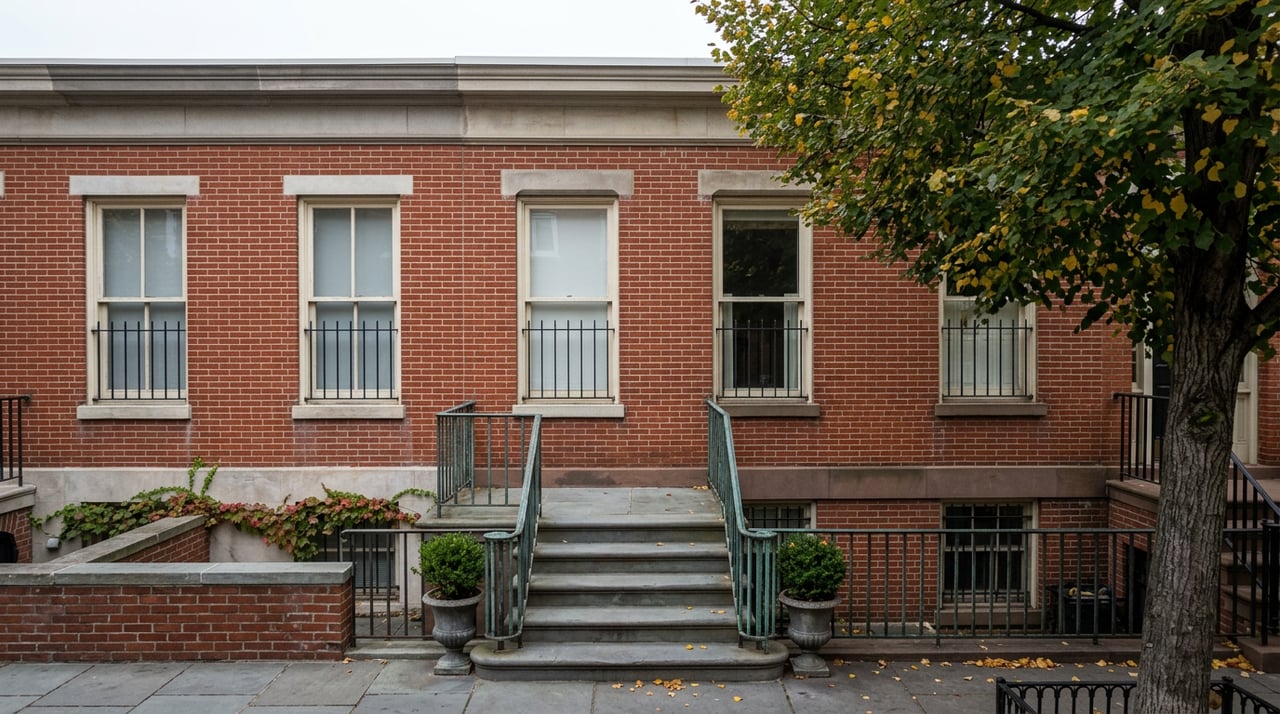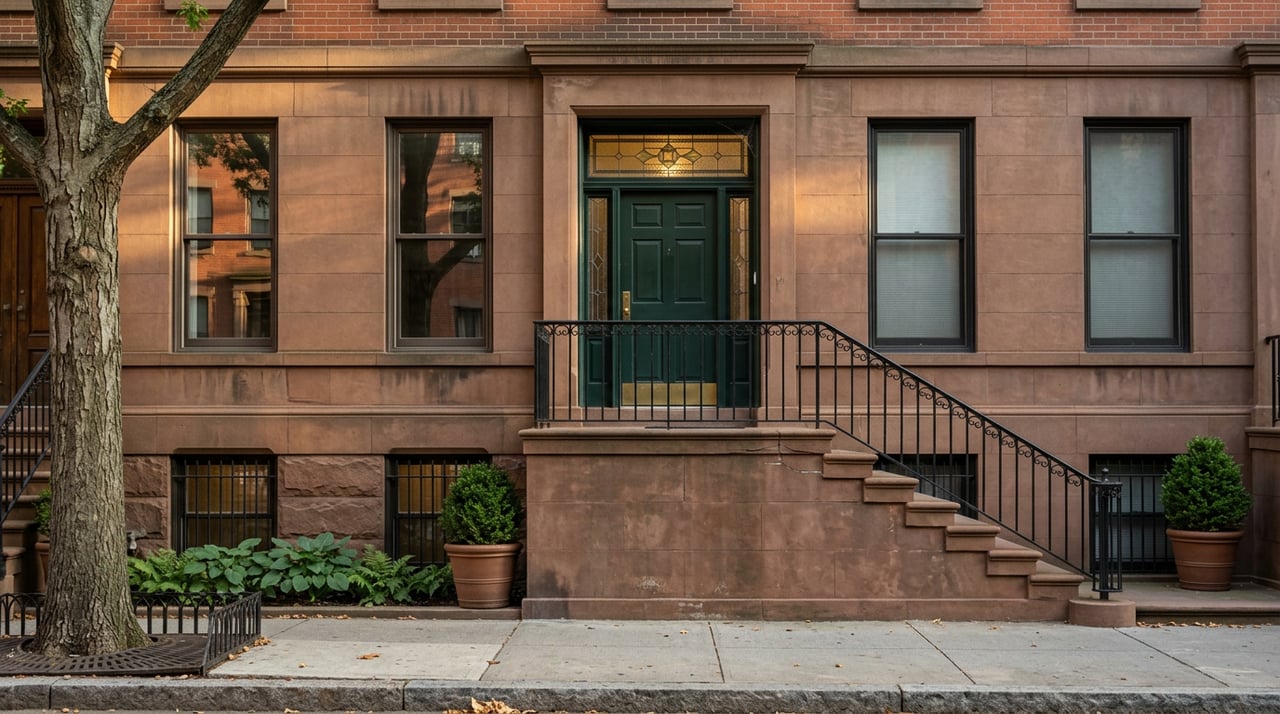
Walk down Fifth Avenue between Union Street and Garfield Place on any weeknight now and you will pass a storefront that used to be Naruto Ramen. It is Andamiro now, a gukbap counter where chef Suho Lee ladles beef and chicken broth over rice or noodles to a room that fills up on a Tuesday. A few blocks over on Seventh Avenue, a former tortilla bakery pop-up shares an address with the fifth overall location of a seafood chain that started in Jackson Heights. Neither of these operators had to be here. That is the detail worth sitting with.
For years, Park Slope's food scene ran on the same handful of neighborhood standbys: the bagel place your kid has known by name since preschool, the red-sauce joint that has been on its third lease since the Clinton administration, the happy hour spots nobody reviews because nobody needs to. That is not a criticism. It is what a residential neighborhood's food scene is supposed to look like. What is new is who is showing up to compete with it, and why.
The Pattern Six Months Ago Looked Like Coincidence
Jay Kumar did not need to open a second restaurant in Park Slope. His first one, Lore, already holds a Michelin Bib Gourmand and was named Best Restaurant in Brooklyn by the NYC Hospitality Alliance. He could have taken that credibility anywhere in the borough. Instead he signed a lease at 689 Sixth Avenue, in the former Brooklyn Pub space, and opened Folk, a roughly 1,000-square-foot cocktail bar with small plates and drinks running $14 to $18.
Suho Lee had an even longer list of options. He trained at the Wythe Hotel, the Standard, and Eleven Madison Park, then spent years frustrated that good gukbap was nearly impossible to find in New York. When he finally signed a lease for his first solo restaurant, he picked 276 Fifth Avenue. He has said plainly that he loves the vibe of Park Slope. That is the kind of quote that usually gets repeated and forgotten, except the decision behind it is the more interesting part: a chef who could have opened anywhere in the city chose this block on Fifth Avenue to make his case for a dish most New Yorkers had never tried.
Then there is Ben Wexler-Waite, who grew up in Park Slope and spent seasons building a following for his pizza project, il Leone, out of Maine. When he decided he needed a year-round home for it, he chose Park Slope. He took over the old Bar Vinazio space at 158 Seventh Avenue, open kitchen, backyard intact, and reportedly shut down the Maine location a week early ahead of the Brooklyn opening.
None of these are stories about vacancy filling. They are stories about people with somewhere else they could have gone, choosing not to go there.
What Landed on Fifth, Sixth, and Seventh Avenues
The clustering becomes obvious once you list the addresses next to each other.
| Address | What was there before | What replaced it |
|---|---|---|
| 276 Fifth Avenue | Naruto Ramen | Andamiro (Korean gukbap) |
| 689 Sixth Avenue | Brooklyn Pub | Folk (cocktail bar, small plates) |
| 158 Seventh Avenue | Bar Vinazio | il Leone (wood-fired pizza) |
| 226 Seventh Avenue | vacant storefront | Vato and Mariscos El Submarino, sharing one address |
| 140 Fifth Avenue | (prior tenant not specified in local coverage) | Thursday Bread Coffee, a Swedish bakery and coffee concept |
The Corima team's arrival at 226 Seventh Avenue deserves its own note. Corima earned a Michelin star in Manhattan. Its chef, Fidel Caballero, brought his wife and business partner Sofia Ostos, pastry chef Erick Rocha, wine director Mariano Garay, and collaborators Paco and Erica Alonso to open Vato, which runs counter-service burritos and pastries by day and turns into a sit-down restaurant drawing on Caballero's time in the Basque Country by night. The sourdough flour tortillas that made Corima a cult favorite are now sold by the dozen out of a Park Slope storefront. Mariscos El Submarino, which had already expanded from Jackson Heights to Greenpoint to Clinton Hill, chose the same address for its fifth location overall rather than testing a new neighborhood entirely.
Not Every New Opening Is Proof of the Same Thing
The honest complication is that not everything landing in Park Slope right now is a deliberate bet on the neighborhood. A national froyo boom rolled through the city this spring, chasing better sourcing and a more polished aesthetic, and one trade publication noted that the Park Slope Pinkberry looked pretty much deserted on a recent warm Sunday even as the broader trend picked up elsewhere. Julien Boulangerie, a bakery chain, shut every one of its locations at once, Park Slope included. A pub-style restaurant that had run in the neighborhood for nearly two decades closed and was replaced, the same turnover that happens on any commercial strip in any city.
The distinction matters. Chain contraction and generic churn happen everywhere and tell you nothing about a specific place. What is different about Lore's expansion, Andamiro's arrival, Vato and Mariscos El Submarino sharing an address, and il Leone's move from Maine is that each of those was a choice made by someone who had already proven they could succeed somewhere else and picked this corridor anyway.
The Rest of the Season's Openings
Beyond the headline names, the churn on Fifth and Seventh Avenue has kept moving through the summer. Kings Co Imperial, known for mapo tofu, beef chow fun, and sesame shrimp toast, opened its third location here. Pies 'n' Thighs, the Williamsburg institution marking its 20th anniversary this year, chose Park Slope for its second location, betting that fried chicken and biscuit sandwiches doused in honey butter will find an audience in South Brooklyn the same way they did on Williamsburg's original block. Mash Inn, from the team behind Gold Star Beer Counter in Prospect Heights, took over a former laundromat with a rotating beer list that includes IPAs from Maine and lagers from New Hampshire. HOM Cafe & Wine has been folding all-day dim sum into what looks from the outside like a standard coffee shop.
None of these needed to happen in Park Slope specifically the way Lore's or Vato's expansions did. But taken together with the higher-profile moves, they describe a neighborhood where operators keep deciding the audience is worth the lease, block after block, rather than one where a single restaurant group got lucky with a good location.
What This Actually Changes About a Tuesday Night
If you already live here, the practical shift is smaller than the trend pieces make it sound and more useful. The block you walk to grab dinner is the same block. What has changed is that it now includes a Bib Gourmand chef's second concept, a Michelin-star pastry program selling tortillas by the dozen, and a Korean chef who spent years frustrated that this city couldn't do his favorite dish justice, now doing it three blocks from where you buy groceries.
It also means your weeknight options now overlap with what is happening a short walk away in Prospect Park. BRIC Celebrate Brooklyn is running its 47th season at the Lena Horne Bandshell through September 19, with shows still ahead this month on August 21, August 28, and August 29. A dinner at Folk or a plate of gukbap at Andamiro before walking over for a free outdoor concert is not a stretch. The two things happening near each other this season, a restaurant corridor filling in with chefs who chose this specifically and a free festival entering its final month, are both signs of the same thing: a neighborhood that a lot of people with other options keep deciding is worth their time.
If you're weighing a move to a block like this one, or wondering what a shift like this means for a specific building or listing nearby, that's exactly the kind of neighborhood-level read Jeffrey Goodman built his practice on. Let's Connect.