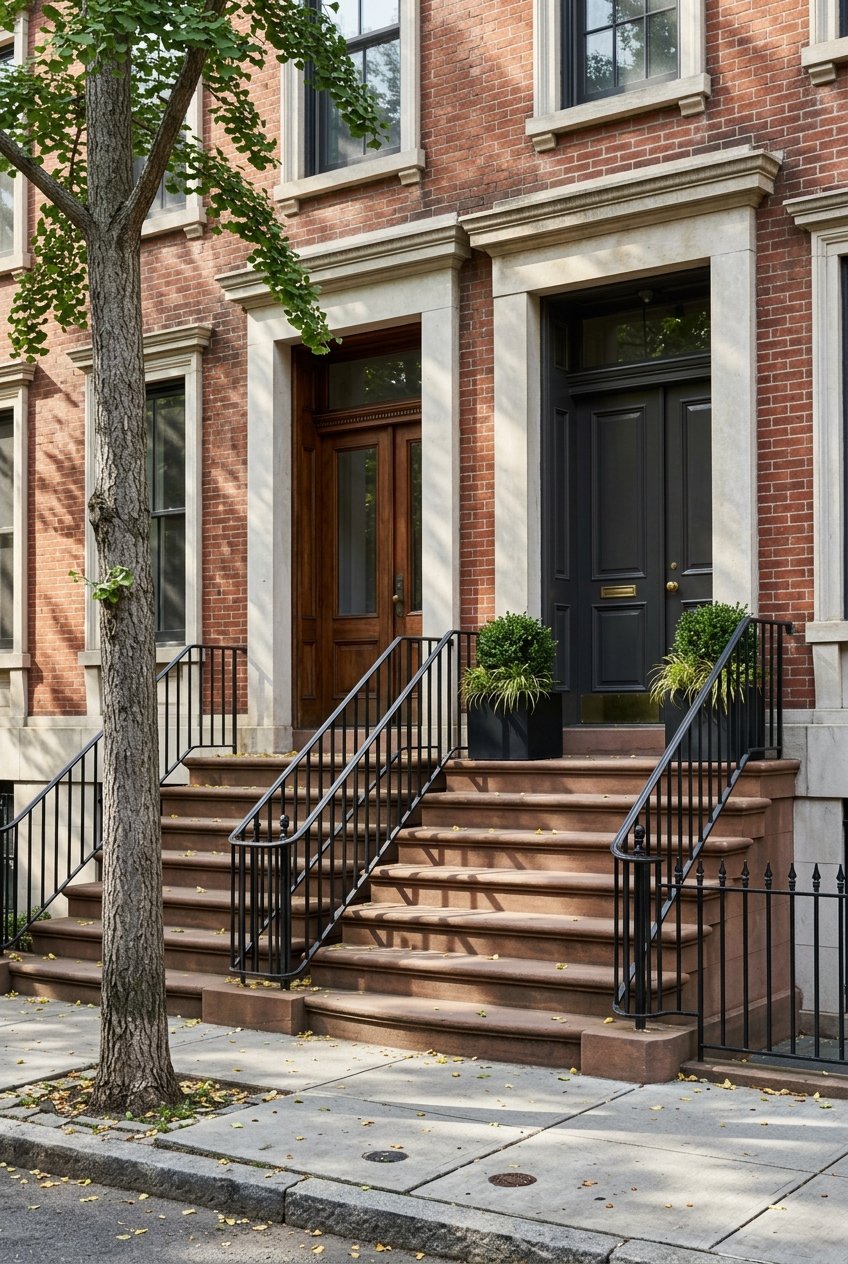
What makes a neighborhood feel unforgettable: one famous landmark, or the way ordinary blocks, stoops, parks, and institutions fit together in daily life? In Harlem, the answer is the whole chain of places that shape how you move through the neighborhood. If you are drawn to classic brownstone streets and want to understand what gives Harlem its texture, this walk-through will help you see the area with more depth and clarity. Let’s dive in.
Brownstones tell Harlem’s story
Harlem’s brownstone identity did not appear all at once. According to the National Park Service, the area remained rural through the early 1800s, then shifted into row-house development as Manhattan’s grid expanded north and transit improved. By the early 20th century, subway growth helped bring more residents uptown and strengthened Harlem’s role as a residential neighborhood.
That history still reads clearly on the street today. Rather than one isolated postcard block, Harlem’s appeal comes from a network of historic districts, cultural institutions, parks, and transit corridors that work together. If you want to understand why Harlem’s streets feel both historic and lived-in, that broader view matters.
Start at Mount Morris Park
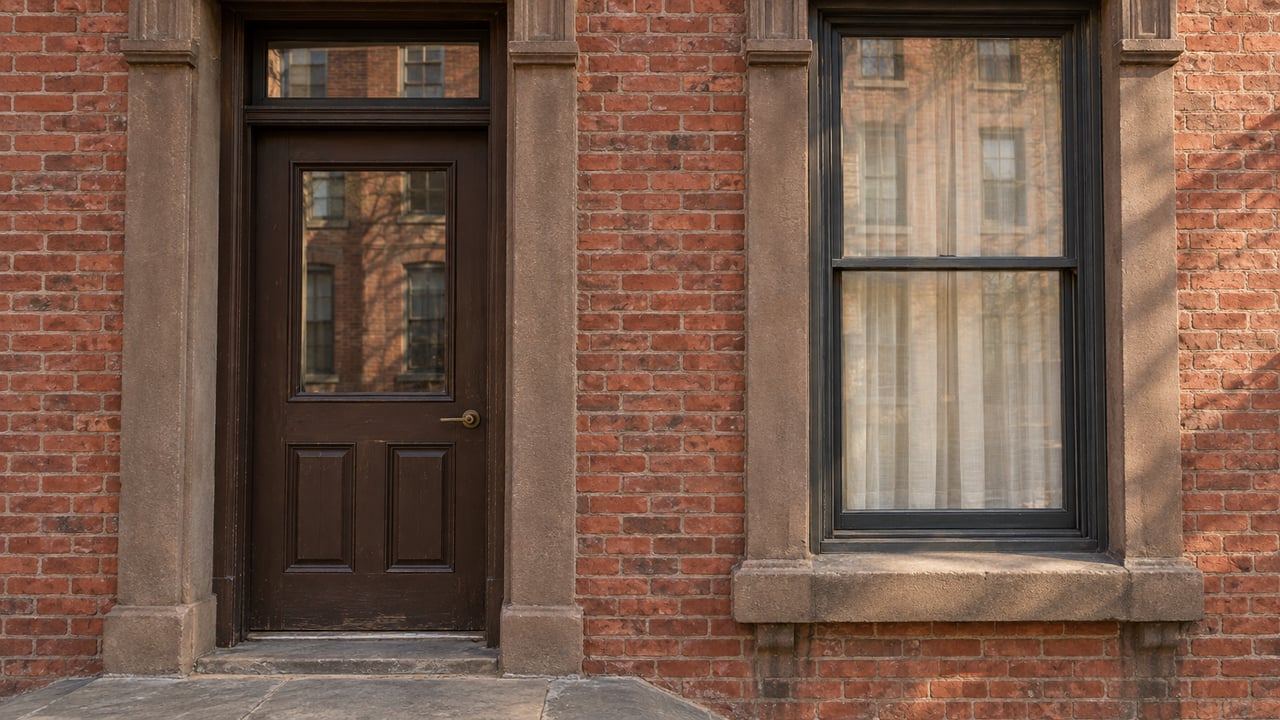
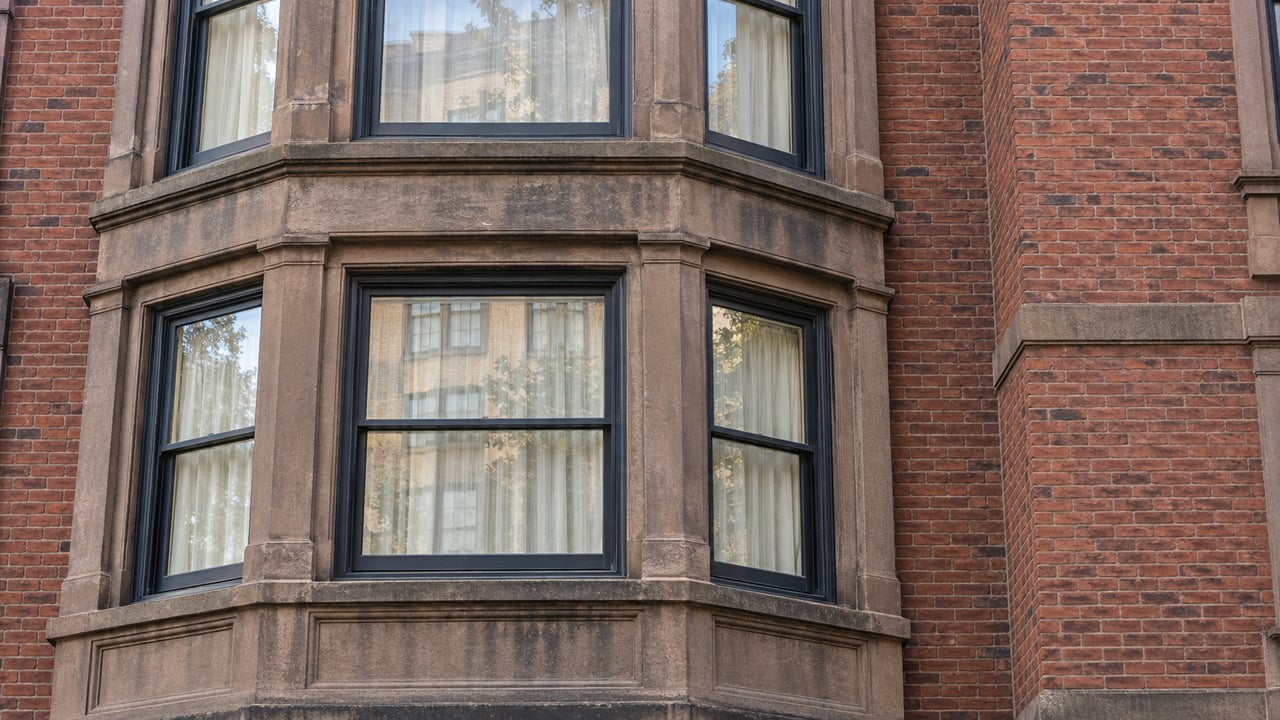
One of the strongest places to begin is the Mount Morris Park Historic District Extension, beside today’s Marcus Garvey Park. The New York City Landmarks Preservation Commission says the district includes more than 250 row houses, many built in the last two decades of the 19th century. Many were faced with brick and brownstone and show neo-Grec, Romanesque Revival, and neo-Renaissance design.
This is where the classic Harlem brownstone image comes into focus. You see repeated stoops, richly detailed facades, and a strong sense of block-by-block continuity. LPC also ties the district’s development to the extension of elevated railways to Harlem in 1880, which helps explain why the architecture and transit story are so closely linked.
Explore 130th to 132nd Streets
Another standout cluster is the Central Harlem – West 130th–132nd Streets Historic District. LPC describes this as a mid-block district of about 164 properties, mostly row houses with a smaller number of apartment and institutional buildings. Architecturally, it includes neo-Grec, Queen Anne, Renaissance Revival, and Romanesque Revival styles.
What makes this district especially meaningful is not just the architecture. LPC notes that these buildings supported cultural, religious, civic, and political activity during the Harlem Renaissance and the civil-rights era. In other words, these blocks were not simply residential backdrops. They also helped shape public life in Harlem.
Notice the civic landmarks
Within this district, civic and cultural institutions deepen the experience of the streetscape. LPC highlights Friendship Baptist Church, along with the National Headquarters for the 1963 March on Washington and the New Amsterdam Musical Association, which it describes as the oldest African-American musical association in the United States.
That combination gives the blocks a layered quality. You are not just seeing attractive row houses. You are seeing places where neighborhood life, organizing, music, worship, and public history met one another in a lasting way.
Walk Frederick Douglass Boulevard
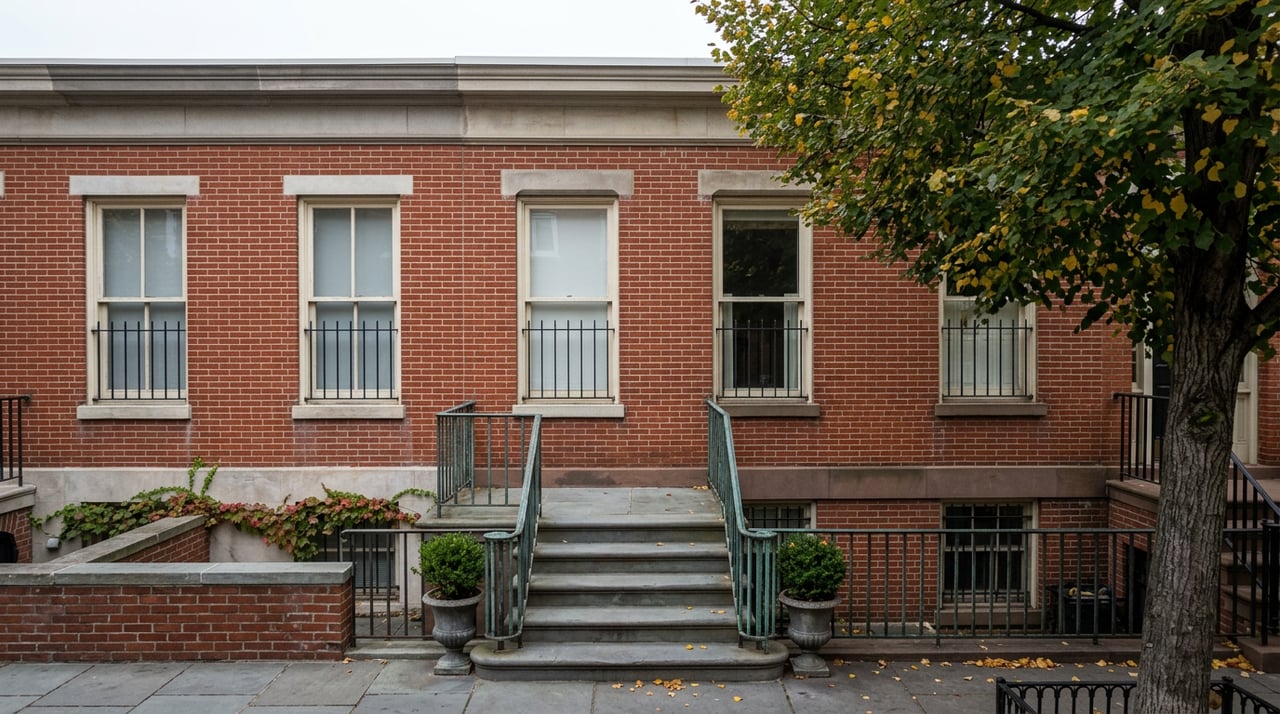
Dorrance Brooks Square adds another piece to the brownstone picture. LPC describes this area as having intact streetscapes of 19th- and early-20th-century row houses, multi-family dwellings, and institutions on both sides of Frederick Douglass Boulevard between West 136th and West 140th Streets.
This section feels a little different from a pure townhouse run, and that is part of its interest. The mix of building types shows how Harlem developed as a real neighborhood rather than a museum set. LPC also points to the area’s importance in Harlem’s African American civic history, which gives these blocks a strong sense of place beyond their architecture.
Extend the walk north
If you want to follow the brownstone story farther uptown, Hamilton Heights and Sugar Hill continue the thread. The historic district is generally bounded by St. Nicholas Avenue, West 145th Street, Convent Avenue, West 147th Street, and Edgecombe Avenue.
For many New Yorkers, these upper Manhattan streets are part of the larger mental picture of classic townhouse living. Including them in the walk helps show that Harlem’s row-house culture is not limited to a single pocket. It extends north through a broader landscape of architecturally rich residential blocks.
Churches anchor neighborhood life
Harlem’s churches are essential to understanding its built environment. They are not only places of worship. They have also served as civic anchors, organizing spaces, and markers of continuity across generations.
Abyssinian Baptist Church and Community House is one of the most significant examples. Designated a New York City landmark in 1993, it is one of the city’s oldest church organizations and one of the most significant African American church institutions in Manhattan. LPC connects it to Harlem’s religious leadership, social reform, and civil-rights activism.
Mother African Methodist Episcopal Zion Church is another important stop. Located at 140–148 West 137th Street, it is the sixth home of New York City’s first Black congregation. LPC describes it as a neo-Gothic church with strong ties to abolition, the Underground Railroad, and later social activism in Harlem.
Libraries and culture shape the route
Harlem’s everyday character also comes through its libraries and cultural institutions. The Harlem Branch has served the community since 1826, and its current McKim, Mead & White building dates to 1909. According to the New York Public Library, it includes reading rooms, a children’s room, a 74-seat auditorium, and literacy instruction.
That matters because it reflects a living neighborhood institution, not just a building to admire from the sidewalk. It is part of the rhythm of local life. For anyone thinking about how a neighborhood feels to live in, places like this count as much as architecture.
Follow the 125th Street corridor
Harlem’s cultural spine becomes especially clear around 125th Street. The Studio Museum in Harlem is now open at 144 West 125th Street in a new purpose-built home. Nearby, the Apollo Theater at 253 West 125th Street remains one of the neighborhood’s signature landmarks and, according to the National Park Service, became a premier venue for Black performers and a central symbol of Harlem’s entertainment history.
A bit farther north, the Schomburg Center for Research in Black Culture adds even more weight to the corridor. Founded in 1925 and named a National Historic Landmark in 2017, it holds more than 11 million items and remains one of the world’s leading institutions devoted to Black history and culture. Taken together, these institutions help Harlem feel active, current, and deeply rooted at the same time.
Parks keep Harlem grounded
Harlem’s parks are not afterthoughts. NYC Parks identifies Marcus Garvey Park, Jackie Robinson Park, Morningside Park, and St. Nicholas Park as Harlem’s four Historic Harlem Parks, shaped by the area’s topography. For a neighborhood walk, they matter because they are woven into daily circulation.
Marcus Garvey Park is central to the brownstone story because of its relationship to Mount Morris Park’s row-house blocks. Today it includes an outdoor pool, amphitheater, recreation center, two playgrounds, and other community facilities. NYC Parks also highlights the historic Mount Morris Fire Watchtower and the park’s longstanding role as a gathering place.
Jackie Robinson Park offers a different but equally practical neighborhood role. NYC Parks describes it as a Harlem jewel with a 1936 pool, a recreation center, two playgrounds, a bandshell, and multiple sports courts. Those features make it read less like a formal green space and more like a neighborhood commons.
Morningside Park adds a different landscape experience. Managed by NYC Parks and shaped through Olmsted-and-Vaux planning, it is known for planted slopes, meandering paths, and dramatic terrain. According to the National Park Service, it feels less like a flat urban lawn and more like a seam between Harlem and Morningside Heights.
125th Street makes daily life work
For all of Harlem’s architectural and cultural richness, practicality is a big part of the appeal. Around 125th Street, transit options are unusually strong. The MTA says Metro-North’s Harlem-125 Street station is accessible and connects with the 125 St subway stop and bus routes including the M60-SBS, M1, M35, M98, M101, M103, and M125.
The subway network is also layered. MTA maps show the 2 at West 125th Street and Lenox Avenue, the 6 at East 125th Street and Lexington Avenue with transfers to the 4 and 5, and the D at West 125th Street and St. Nicholas Avenue, with A and C service except late nights and B service during rush hours.
If you are imagining what it would be like to live on one of Harlem’s brownstone or prewar blocks, this matters. It means you can move between home, park, library, and cultural destinations on foot while still reaching the rest of the city with relative ease. For many buyers, that balance of beauty and function is a big part of Harlem’s draw.
Why the stroll matters
The best way to understand Harlem is not as a single landmark neighborhood. It is as a connected experience of row houses, churches, libraries, parks, and 125th Street institutions that continue to support everyday life. That is what gives the neighborhood its staying power.
If you are considering Harlem as a place to buy, sell, or simply understand more deeply, these layers matter. They help explain not only what you see on the block, but how the neighborhood works and why it resonates so strongly with people who love New York’s architectural and cultural texture.
If you want a more informed perspective on Harlem and other New York neighborhoods, Jeffrey Goodman brings the kind of local knowledge, historical context, and thoughtful real estate guidance that can help you make smarter decisions with confidence.
FAQs
Which Harlem blocks best show classic brownstones?
- The strongest examples cited in the historic record are the Mount Morris Park Historic District Extension, the Central Harlem – West 130th–132nd Streets Historic District, Dorrance Brooks Square, and the Hamilton Heights/Sugar Hill historic district.
What makes Harlem feel lived-in today?
- Harlem’s identity comes from more than preserved architecture. Churches, libraries, parks, and active cultural institutions continue to shape daily neighborhood life.
Is Harlem practical without a car?
- Yes. The 125th Street area functions as a major transit hub with subway, bus, and Metro-North connections that support car-light living.
What cultural stops define Harlem’s 125th Street corridor?
- Key stops include the Harlem Branch nearby on 124th Street, the Studio Museum in Harlem on West 125th Street, the Apollo Theater on West 125th Street, and the Schomburg Center on West 135th Street.
Why are Harlem’s parks important to neighborhood life?
- Parks such as Marcus Garvey Park, Jackie Robinson Park, and Morningside Park support everyday routines through pools, playgrounds, paths, recreation spaces, and gathering areas.