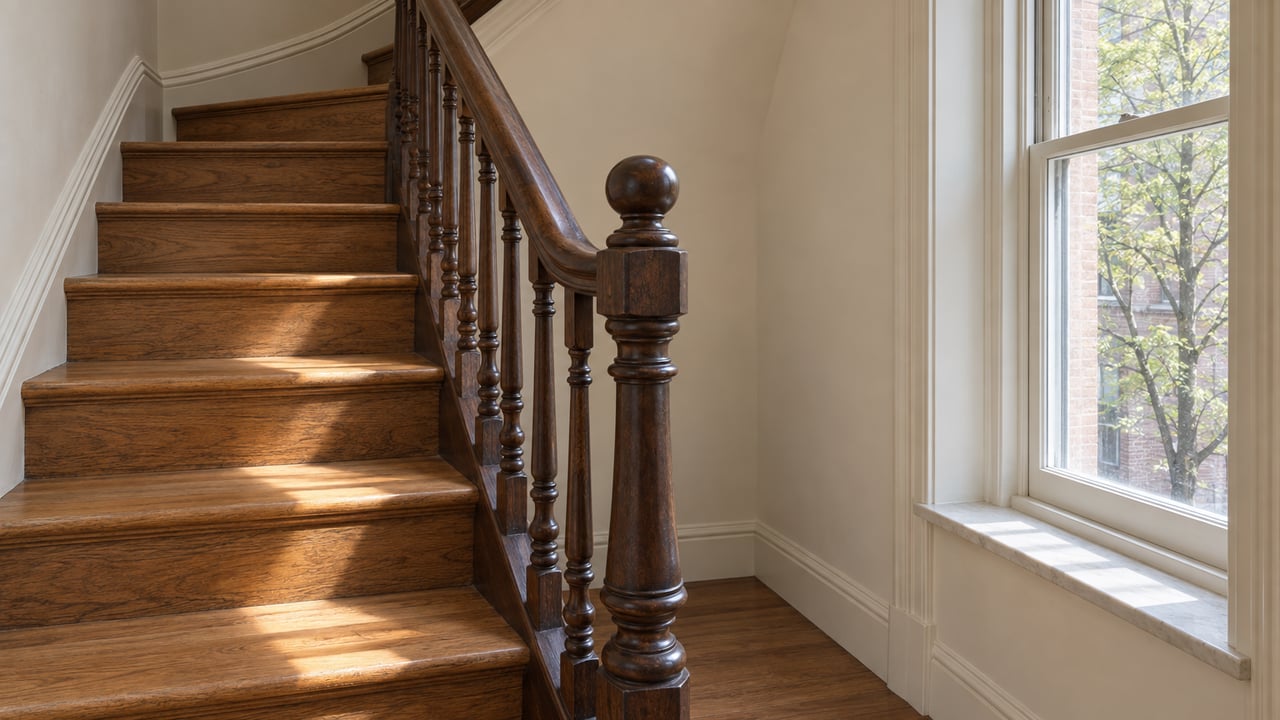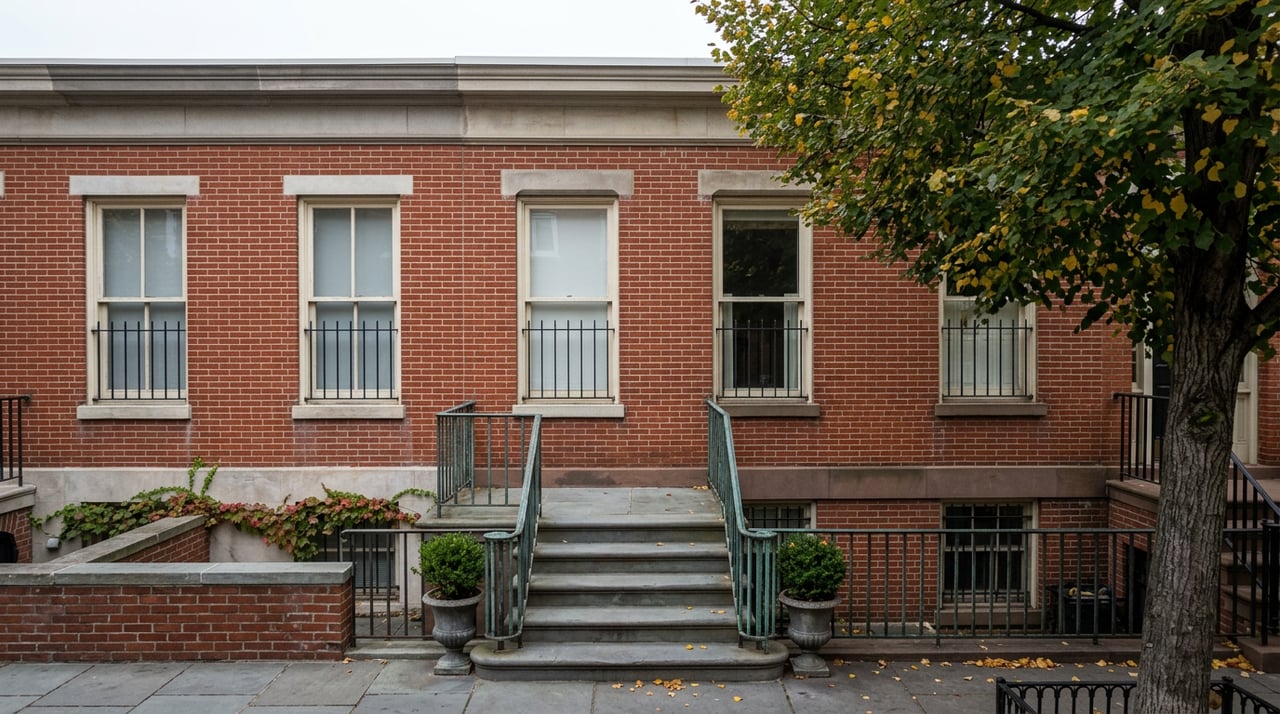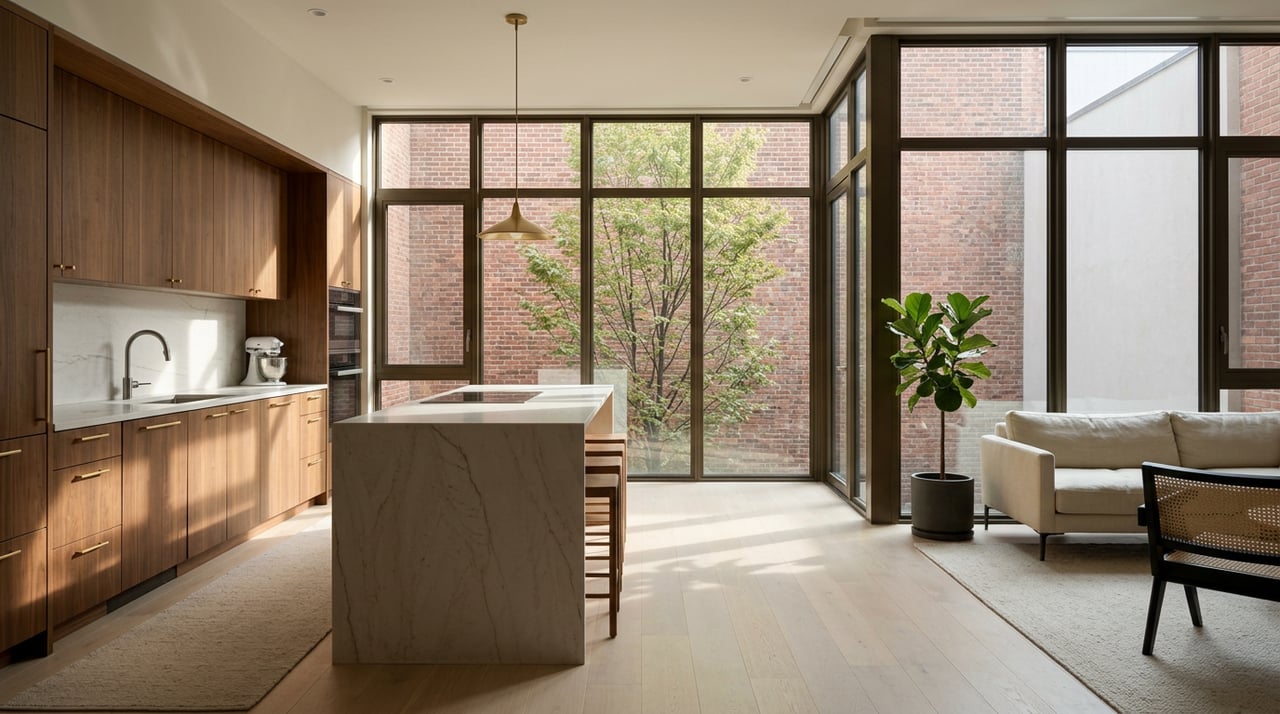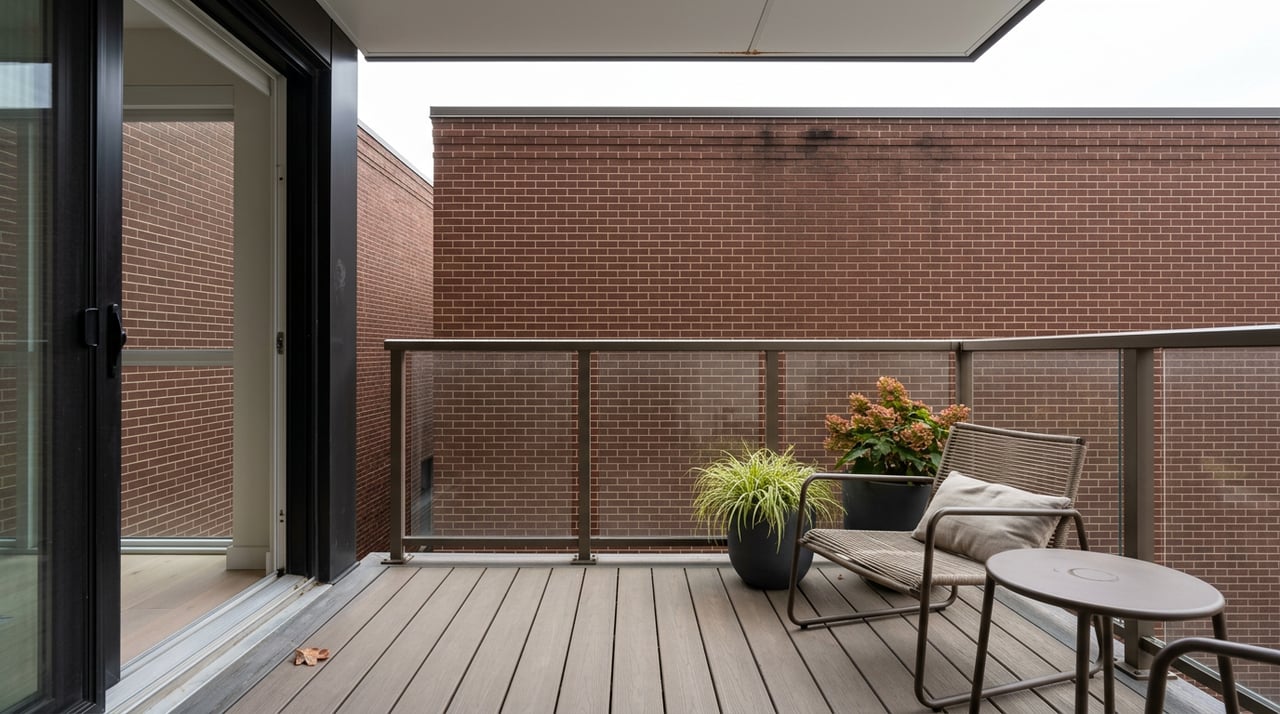
A one-bedroom at The Rennie, the low-rise condo building on Adam Clayton Powell Jr. Boulevard across from Strivers Row, recently came on the market for $758,000. The listing mentioned floor-to-ceiling windows and a galley kitchen with quartz counters. It also mentioned, almost in passing, a 25-year 421-a tax abatement running through 2044. That single line is worth more to a buyer's monthly budget than the kitchen finishes, and most people skim right past it.
Three-quarters of a mile north, a different developer just closed $45 million in construction financing for an 11-story condo building at 264-272 West 135th Street, with studio-to-three-bedroom layouts and retail on the ground floor. When those units eventually list, they will price into the same Harlem market, aimed at the same buyers, likely at similar dollars per square foot. But every owner in that building will pay full New York City property taxes from the day they close, because the tax break that gave The Rennie its edge stopped accepting new applications back in 2022. Same neighborhood, same buyer pool, two entirely different tax futures. The listing price will not tell you which one you are looking at.
One Median Price, Two Very Different Markets
Central Harlem's numbers look calm on the surface. Over the twelve months ending in May 2026, the median home sale price there was $785,000, up only about 1 percent from the year before, according to Homes.com market data. That kind of stability is exactly what makes it easy to treat every $750,000 to $850,000 Harlem condo as interchangeable.
They are not. Some of that inventory sits inside a 421-a tax exemption that will keep monthly carrying costs artificially low for another decade or two. Some of it never had one and never will. A median price averages those two populations into a single number, which means the number itself obscures the thing a buyer most needs to know before making an offer.
Why This Benefit Cannot Be Recreated
The 421-a program exempted new residential construction from taxes on the value added by the building itself, taxing only the land underneath at its pre-development rate, in exchange for a share of affordable units. It ran in various forms since 1971. The most recent version expired on June 15, 2022, and Albany has not renewed it. Its intended successor, 485-x, is structured in a way that largely leaves Manhattan condominiums out of the picture.
What that means in practice: no Harlem condo closing today, and no Harlem condo that breaks ground from here forward, will ever receive a 421-a exemption. The buildings that already have one are a fixed, shrinking supply. Every year, some of them phase out entirely, and none get added back. That scarcity is precisely why the abatement years remaining on a given building function less like an amenity and more like an asset with its own depreciation schedule.
Harlem happens to hold an outsized share of that shrinking supply. Ten-year 421-a terms were the norm in most of the city's new development, but the 25-year version was concentrated in Harlem and Upper Manhattan specifically. That is not a coincidence of geography. It is a structural reason Harlem's existing condo stock carries more of this benefit, for longer, than comparable buildings downtown.
Here is what that looks like in three real buildings:
| Building | Completed | 421-a Status | Benefit Runs Through |
|---|---|---|---|
| The Rennie, 2351 Adam Clayton Powell Jr. Blvd | 2018 | Active, 25-year term | 2044 |
| Circa Central Park, 285 West 110th Street | 2017 | Active, 25-year term | 2044 |
| 264-272 West 135th Street | Financing secured 2026, not yet built | None available | Not applicable |
Circa Central Park and The Rennie both landed the same 25-year term, expiring the same year, despite being different buildings from different developers. That is the version of 421-a that was standard uptown before the cutoff. The West 135th Street project, financed years after the program closed, cannot access any version of it, full stop. Its developer's own framing of the Harlem condo market as one of the most supply-constrained in New York City is really a statement about how few buildings like The Rennie will ever exist again.
What the Clock Actually Does to a Monthly Payment
The mechanics matter because the number does not move gradually and quietly. Most 421-a schedules hold owners at a fully or nearly fully exempted rate for the bulk of the term, then step the tax bill up sharply, often in increments of roughly a fifth of the eventual full assessment every couple of years, until it reaches the property's true taxed value. It is less a slope than a staircase, and the last few steps are steep.
Industry tax analyses describe cases where a one-bedroom condo owner's monthly property tax bill moved from around $267 to $1,183 once a citywide abatement finished its phase-out, an increase of roughly $916 a month, or close to $11,000 a year. That is not a hypothetical worst case. It is the ordinary shape of what happens when a 421-a term runs its course, and it is the exact mechanism waiting at the end of the road for any Harlem condo currently coasting on a low tax bill.
This is also why the years remaining on an abatement carry a measurable price. New York City's Independent Budget Office has found that Manhattan condo buyers pay roughly four-tenths of one percent more of the purchase price for each additional year of 421-a benefit still on the clock. Run that forward and a unit with 18 years left, like anything in The Rennie or Circa Central Park today, could reasonably command something in the range of 7 to 8 percent more than an otherwise identical unit with no benefit at all, simply because of the tax math baked into the years remaining. That premium is real, but it is also temporary. It shrinks every year the clock runs, and it hits zero the day the exemption ends.
Reading the Schedule Before You Write an Offer
None of this shows up on a listing sheet. It shows up in two places, and both are worth checking before an offer goes in on any Harlem condo built in the last two decades:
- The building's offering plan, filed with the New York Attorney General, which contains the full 421-a schedule, including exactly when phase-in increases occur and when the exemption ends entirely.
- The NYC Department of Finance's Property Tax Inquiry tool, searchable by address, where the exemptions section will show an active 421-a benefit along with its start and end dates.
If a unit is a resale rather than a first sale, one more detail matters: the buyer inherits whatever years remain on the building's original certificate of occupancy, not a fresh term. A resale in a building that started its abatement in 2010 does not reset the clock. It picks up wherever the previous owner left off.
A Few Questions Worth Asking Before You Compare Two Harlem Listings
Is the 421-a benefit the same thing as the co-op and condo property tax abatement? No. New York City runs a separate, ongoing Cooperative and Condominium Property Tax Abatement that reduces taxes by 17.5 percent to 28.1 percent for eligible owner-occupants, based on assessed value. Buildings with an active 421-a exemption generally cannot also claim this one, but they can apply for it once the 421-a benefit expires. It is a smaller, steadier benefit, not a substitute for the kind of savings a 25-year 421-a term provides.
Will Harlem see more buildings like The Rennie? Not under this program. With 421-a closed to new applications since 2022 and its replacement structured to largely exclude Manhattan condos, buildings like The Rennie and Circa Central Park represent a finite, non-renewable category of inventory. New construction moving forward, including the West 135th Street project now in financing, will carry full tax exposure from the start.
Does a longer remaining abatement always mean a better deal? Not automatically. It means lower carrying costs for longer, which buyers should weigh against the premium they are paying for those years. The math only works in your favor if you have actually run it, comparing full post-abatement taxes against the purchase price, rather than budgeting off the current subsidized bill.
The median price on a Harlem condo listing tells you what the market paid last month. It says nothing about what a specific owner will be paying in 2035, or 2044, or the year a specific building's exemption runs out. That gap between the sticker and the schedule is exactly where a buyer needs a second opinion before signing anything.
If you are weighing two Harlem condos that look identical on paper and want help reading what their tax schedules actually say about your real cost of ownership, Jeffrey Goodman has spent years working through offering plans and closing tables across Harlem and Upper Manhattan. Let's Connect.