If you are drawn to Brooklyn neighborhoods that feel both rooted and alive, living near Fort Greene Park deserves a close look. You may be looking for tree-lined blocks, a real sense of daily rhythm, easy transit, and culture you can actually use during the week, not just admire from afar. Near Fort Greene Park, those pieces come together in a way that feels distinctly New York and surprisingly livable. Let’s take a closer look.
Fort Greene Park Shapes Daily Life
Fort Greene Park is not just a backdrop. It is a 30.17-acre community park with the kind of amenities that tend to become part of your weekly routine. NYC Parks lists basketball courts, playgrounds, tennis courts, barbecuing areas, dog-friendly areas, restrooms, spray showers, Wi-Fi hot spots, great trees, and a nature center.
That matters because it changes how the neighborhood feels day to day. Instead of treating the park as a once-in-a-while destination, you can imagine it as an extension of home. A morning walk, a quick tennis match, time at the playground, or an outdoor break with your dog can all fit naturally into your schedule.
The park also supports a steady calendar of community activity. The Fort Greene Park Conservancy adds recurring programming such as yoga, HIIT, run club, movie nights on the lawn, poetry events, and volunteer days. That mix gives the area a civic, social feel without losing its residential character.
The Greenmarket Adds Weekly Rhythm
One of the pleasures of living near Fort Greene Park is that Saturday already comes with a built-in plan. The Fort Greene Greenmarket runs year-round from 8:00 a.m. to 3:00 p.m. at Washington Park between DeKalb and Willoughby Avenues, just outside the park entrance. GrowNYC describes the setting as being surrounded by chestnut trees and centuries-old brownstones.
The market does more than offer produce. It also includes composting, clothing collection, cooking demonstrations, and family activities. For many residents, that means the area around the park has a weekly rhythm that feels useful, social, and easy to return to.
The Streets Feel Historic and Human-Scale
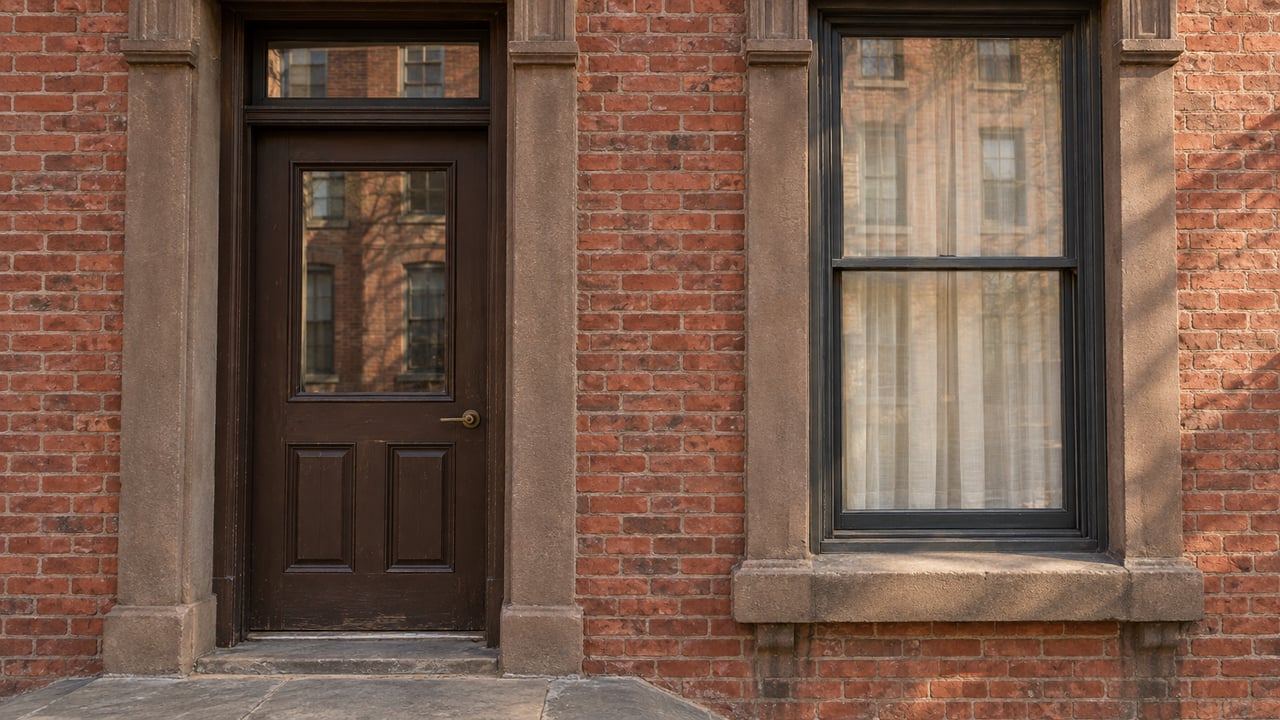
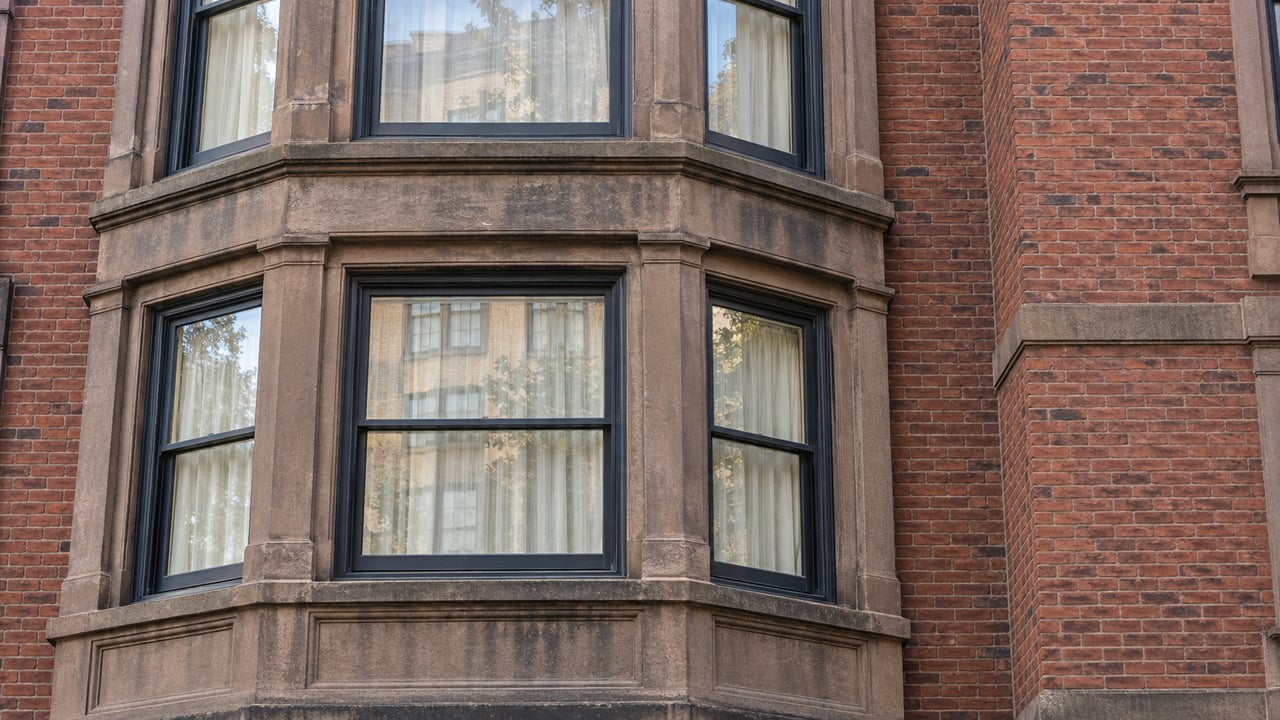
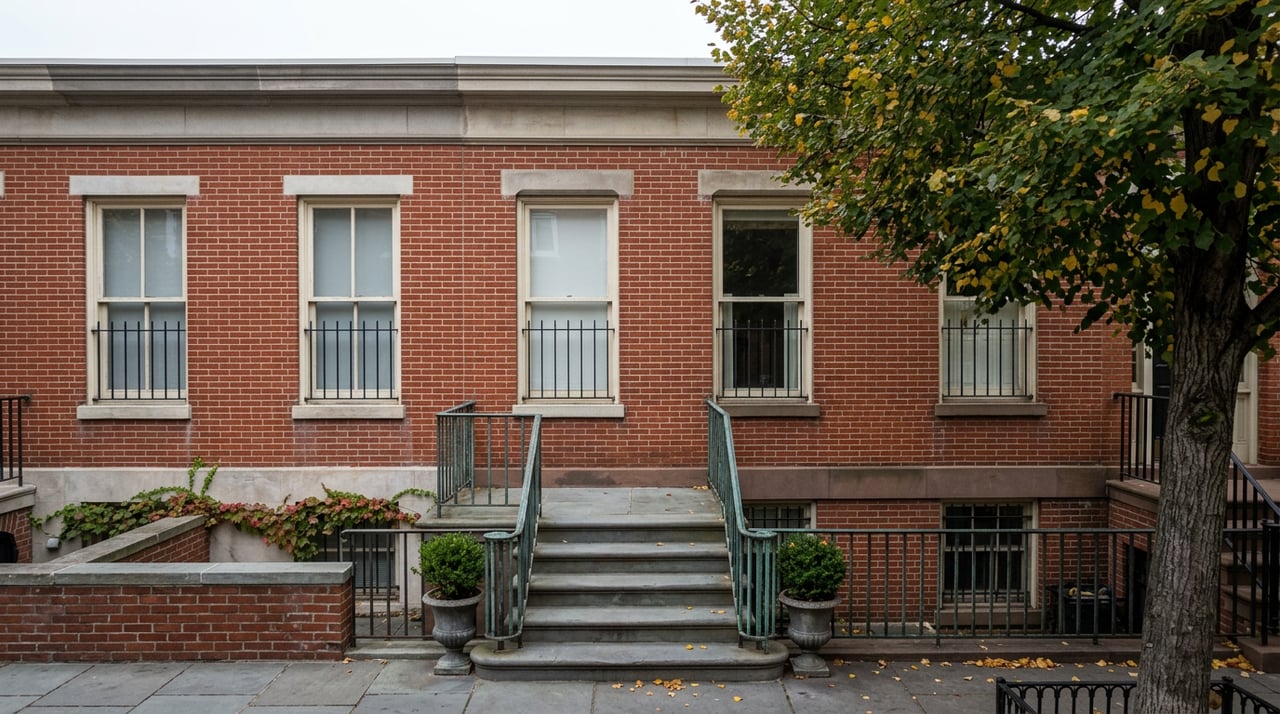
A big part of the appeal here is visual and architectural. Fort Greene sits within Brooklyn Community District 2, where official district descriptions note that most neighborhoods were first developed in the 19th century as low-density row houses and low-scale commercial streets. Later high-rise development is concentrated closer to Downtown Brooklyn.
For you as a buyer or prospective resident, that means the park-edge experience often feels calmer and more intimate than the broader district might suggest. Around the park, the streetscape is tied closely to a low-rise, historic pattern. That gives the neighborhood much of its charm.
The Fort Greene Historic District is a strong example of that identity. The district has been described as a typical 19th-century Brooklyn residential neighborhood with Italianate, Queen Anne, and Neo-Grec brownstone and brick row houses built between 1855 and 1875. It was designated in 1978, which helps preserve a notable stretch of Brooklyn architectural history.
Fort Greene Park itself is woven into that historical story. NYC Parks notes that the land grew out of Revolutionary War and War of 1812 fortifications, was designated a park in 1847, and redesigned by Frederick Law Olmsted and Calvert Vaux in 1867. If you value neighborhoods where history is visible rather than abstract, this is one of the reasons Fort Greene stands out.
Dining Is Close and Repeatable
Some neighborhoods are full of places people travel to once. Others are built around spots you can return to often. Around Fort Greene Park, the restaurant scene leans toward the second kind of neighborhood.
A notable concentration sits along DeKalb Avenue. Official business sites show Miss Ada at 184 DeKalb Avenue, Roman's at 243 DeKalb Avenue, and Walter's at 166 DeKalb Avenue. That kind of clustering supports an everyday lifestyle built around short walks and familiar local choices.
For residents, that often means dinner does not need much planning. Meeting a friend, grabbing brunch, or choosing a reliable weeknight option can feel refreshingly simple. The convenience is practical, but it also adds to the neighborhood’s sense of continuity and ease.
Arts and Culture Are Part of the Routine
Living near Fort Greene Park also places you near one of Brooklyn’s most established cultural areas. BAM anchors the neighborhood at 30 Lafayette Avenue. Nearby, BRIC House at 647 Fulton Street describes itself as a 40,000-square-foot multidisciplinary arts and media complex in the Brooklyn Cultural District.
BRIC also identifies nearby institutions such as BAM Harvey, Mark Morris Dance Center, and Theatre for a New Audience, and positions the district as a hub for free cultural programming. That gives the area unusual range for everyday life. Your evening can move from a walk in the park to a performance, exhibition, or community event without a long trip across the city.
This is one of Fort Greene’s clearest strengths. The neighborhood can feel residential around the park while still giving you immediate access to arts programming that many New Yorkers have to plan around. Here, culture feels close enough to become habit.
Transit Keeps the Neighborhood Connected
Fort Greene often appeals to people who want a residential setting without giving up convenience. Transit is a major reason why. The MTA shows Clinton-Washington Avs on the G line at Clinton Avenue and Lafayette Avenue and Washington Avenue, and on the C line at Fulton Street and Washington Avenue and Clinton Avenue.
Atlantic Terminal and Barclays Center add another layer of flexibility. From there, you can access the 2, 3, 4, 5, B, D, N, Q, and R subway lines, plus the Long Island Rail Road. BRIC’s visitor directions also point to how close the area is to that broader transit network.
In practical terms, this helps Fort Greene balance two qualities that do not always come together easily. Near the park, the neighborhood can feel historic, tree-lined, and calm. At the same time, it remains deeply connected to the rest of Brooklyn, Manhattan, and beyond.
What the Lifestyle Feels Like
So what is it actually like living near Fort Greene Park? In many ways, it feels like having a daily-use neighborhood rather than a neighborhood you only appreciate on paper. The park, the Greenmarket, the brownstone blocks, the restaurants, the cultural institutions, and the transit options all reinforce one another.
That combination makes the area appealing to a wide range of buyers. You might be drawn to the architecture and history, the ability to walk to performances and dinner, or the simple value of having a park that supports real everyday use. Whatever the starting point, the lifestyle tends to feel balanced.
Fort Greene near the park offers something many buyers are looking for in Brooklyn: a setting that feels grounded, distinctive, and highly connected all at once. It is not only about pretty blocks or a famous park. It is about how those elements shape your actual week.
If you are considering a move to Fort Greene, understanding the area block by block can make a big difference. Jeffrey Goodman brings the kind of neighborhood perspective, architectural fluency, and thoughtful guidance that can help you decide whether this part of Brooklyn fits the life you want to build.
FAQs
What amenities does Fort Greene Park offer to nearby residents?
- Fort Greene Park offers everyday-use amenities including basketball courts, playgrounds, tennis courts, barbecuing areas, dog-friendly areas, restrooms, spray showers, Wi-Fi hot spots, great trees, and a nature center, along with recurring programs such as yoga, HIIT, run club, movie nights, poetry events, and volunteer days.
What is the housing character near Fort Greene Park?
- Near Fort Greene Park, the housing character is strongly tied to a historic, low-rise streetscape with brownstone and brick row houses, especially in and around the Fort Greene Historic District, while taller development is more concentrated closer to Downtown Brooklyn.
What is the Fort Greene Greenmarket schedule near the park?
- The Fort Greene Greenmarket runs year-round on Saturdays from 8:00 a.m. to 3:00 p.m. at Washington Park between DeKalb and Willoughby Avenues, just outside the park entrance.
What cultural venues are near Fort Greene Park?
- Cultural venues near Fort Greene Park include BAM and BRIC House, with nearby institutions in the Brooklyn Cultural District such as BAM Harvey, Mark Morris Dance Center, and Theatre for a New Audience.
What transit options are available near Fort Greene Park?
- Transit near Fort Greene Park includes the G and C lines at Clinton-Washington Avs, plus broad subway and rail access at Atlantic Terminal and Barclays Center, including the 2, 3, 4, 5, B, D, N, Q, and R lines and the Long Island Rail Road.