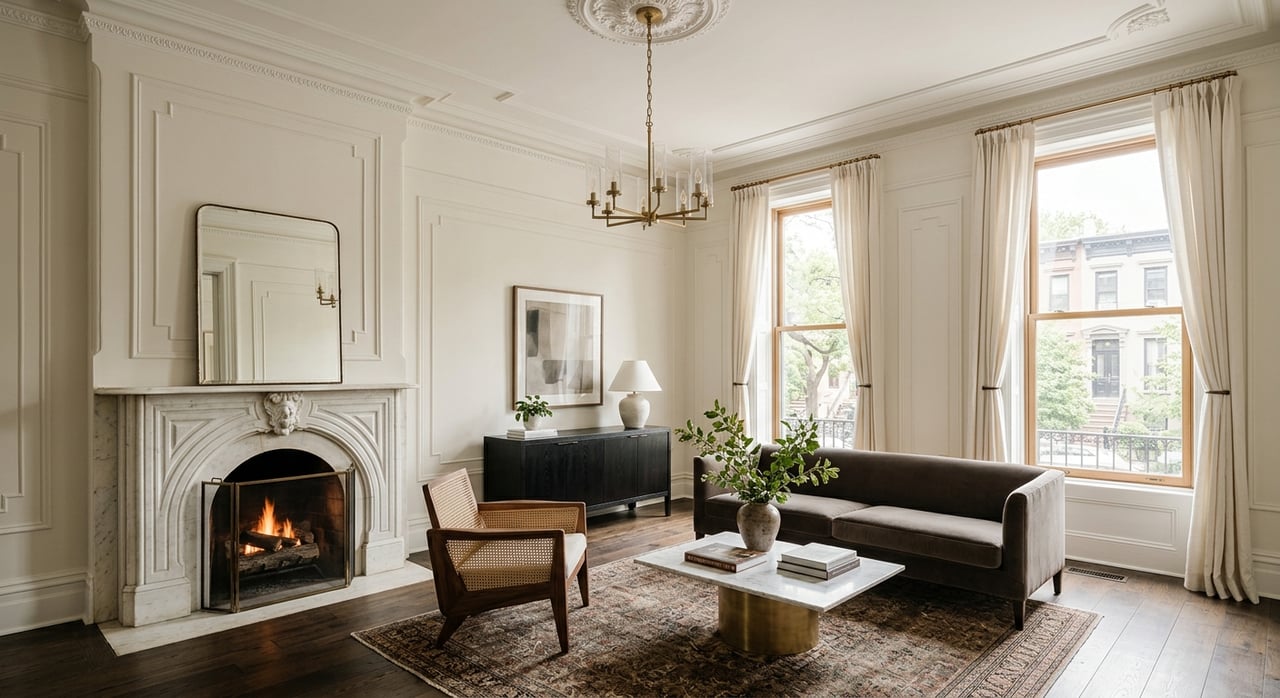
If you are preparing to sell a Fort Greene brownstone, you are not just listing a house. You are presenting a piece of Brooklyn architecture in one of the borough’s most recognizable landmarked settings. Today’s buyers still respond to history and character, but they also want clarity, light, and a home that feels ready for modern life. The good news is that with the right preparation, you can highlight both. Let’s dive in.
Start With Fort Greene Context
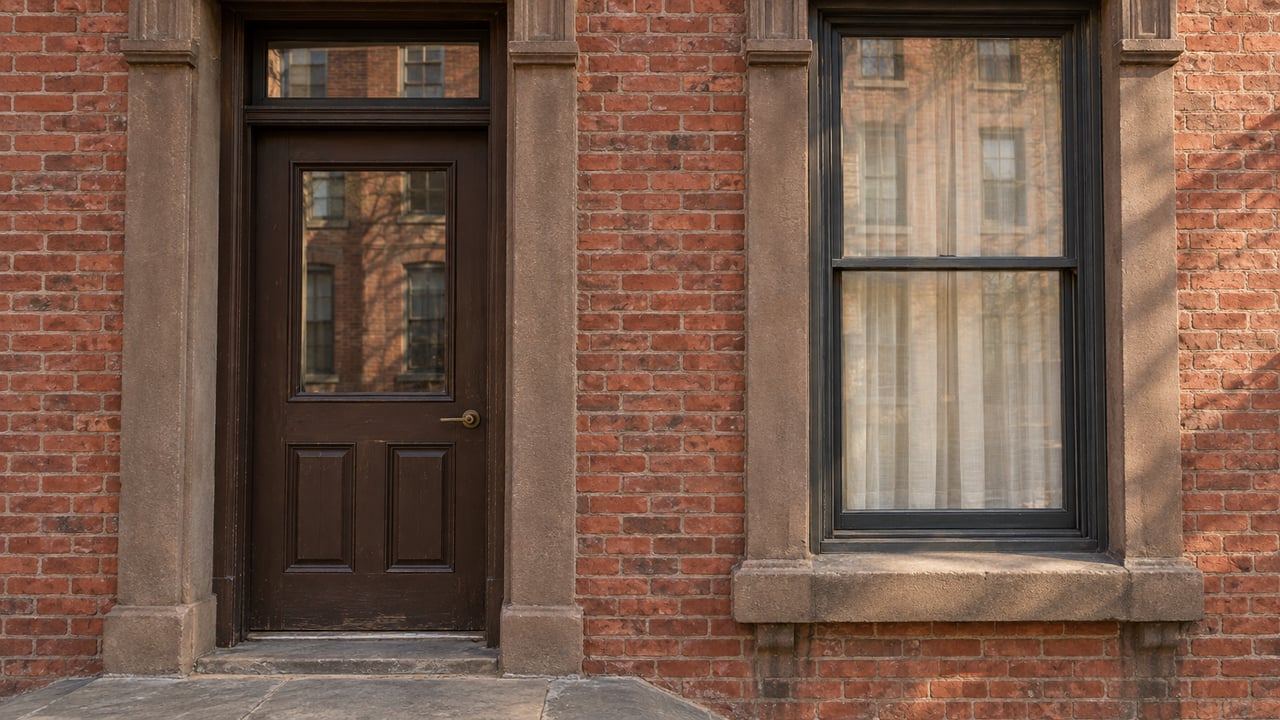
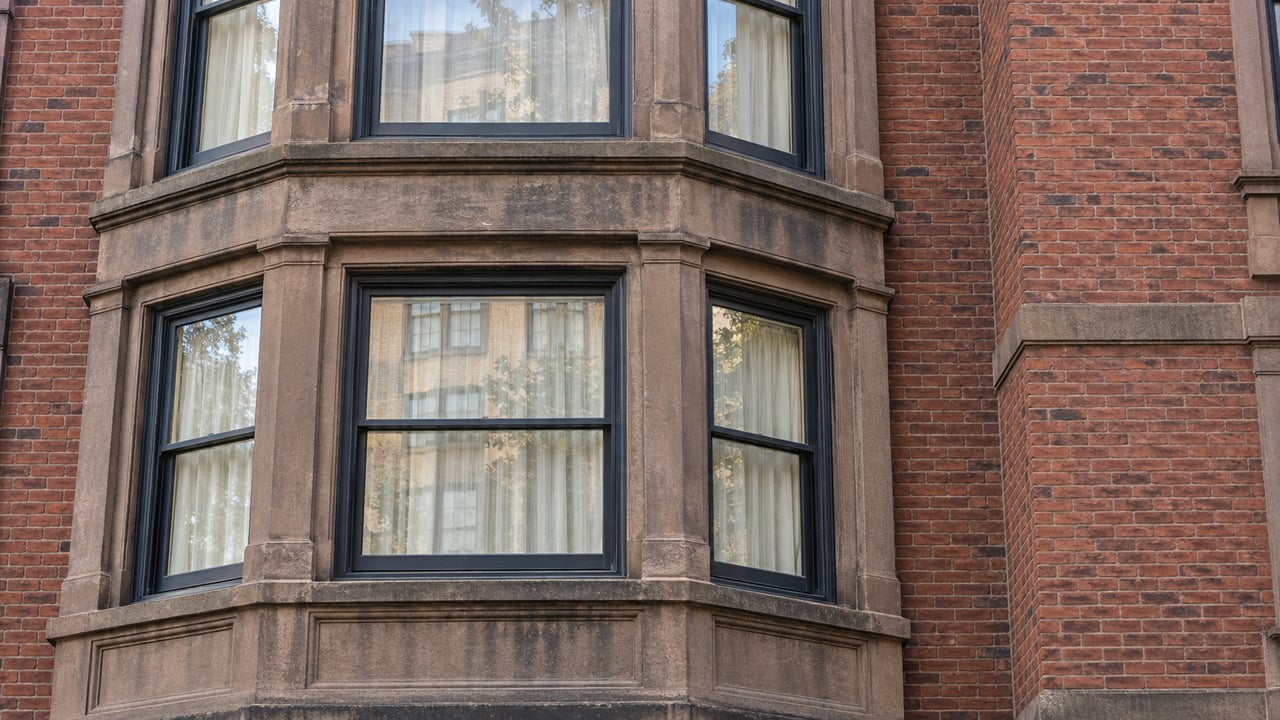
Fort Greene is a premium, architecture-driven market, and that matters when you prepare your home for sale. The neighborhood’s Historic District was designated in 1978, and it is known for strong examples of 19th-century rowhouse styles, including Greek Revival, Italianate, Anglo-Italian, French Second Empire, and neo-Grec homes.
That history shapes how buyers see your property. In Fort Greene, a brownstone is not just about square footage. Buyers are often reacting to proportions, parlor-floor drama, period detail, and how the home connects to the neighborhood’s larger architectural story.
StreetEasy also points to Fort Greene as a market where townhouses can sell above $4 million, with a median sale around $1.7 million and a median sales time of 54 days. In other words, buyers here tend to be discerning. Preparation is not about doing more for the sake of it. It is about making the home’s value easy to understand.
Know What Today’s Buyers Notice
Today’s buyers often make fast judgments based on how a home feels the moment they walk in. That is especially true in a brownstone, where layout, light, and scale can either feel elegant or confusing depending on presentation.
Staging plays a real role in that first impression. In the National Association of Realtors’ 2025 staging survey, 83% of buyers’ agents said staging made it easier for buyers to visualize a property as their future home. Some sellers’ agents also reported stronger offered value after staging, with 19% seeing increases of 1% to 5% and 10% seeing increases of 6% to 10%.
Light is another major factor. A 2026 Redfin survey found that 57% of Northeast residents would choose a smaller home with more sunlight over a larger home with less. For Fort Greene brownstones, which often have deep layouts, that makes light a selling feature, not just a background condition.
Zillow’s 2025 search trends also showed rising interest in flexible, multi-use homes and indoor-outdoor living. In practical terms, buyers want to understand how your rooms can function now, whether that means a guest room that can double as an office, a garden level with clear everyday use, or outdoor space that feels connected to the rest of the home.
Make The Floor Plan Read Clearly
Many Fort Greene brownstones have wide rooms, generous ceiling heights, and deep floor plates. These are wonderful assets, but they need to be legible to buyers. If a room feels overfilled or undefined, buyers can miss the architecture and focus instead on what feels awkward.
Your goal is to make each space easy to read. Buyers should be able to walk in and immediately understand the function of the room, the circulation, and the scale. Clean sight lines can do a lot of work here.
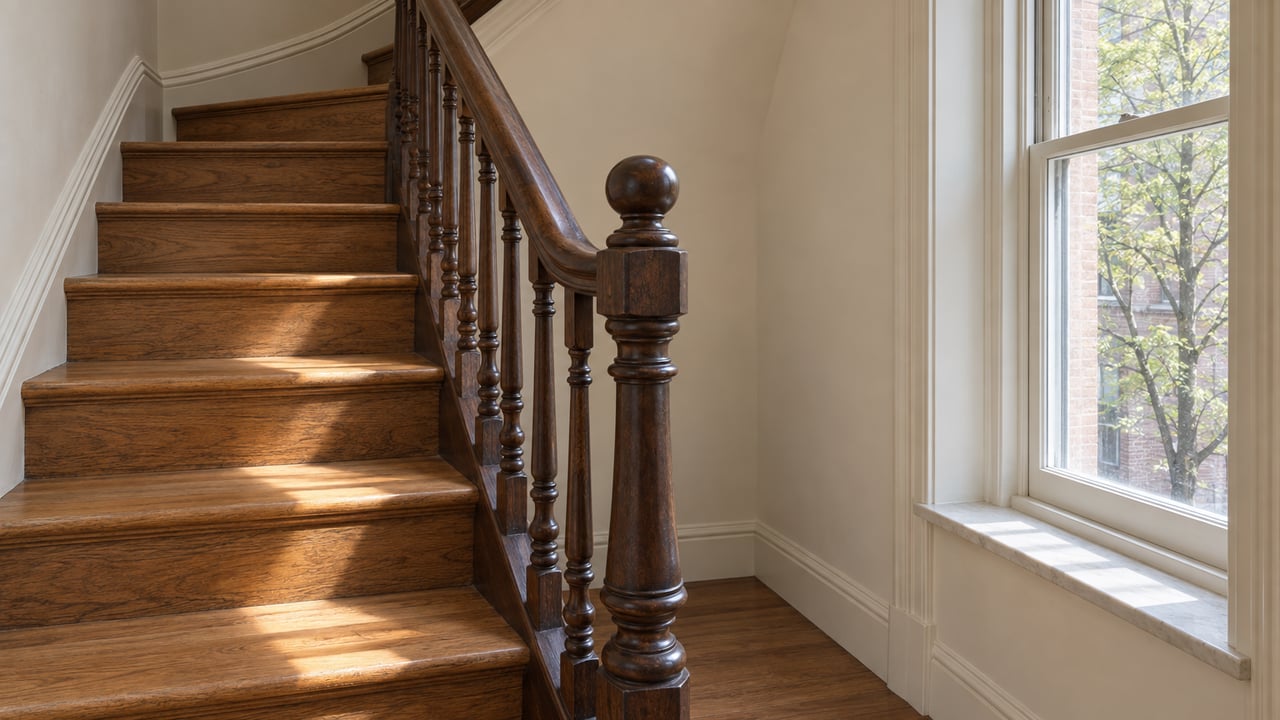
That often means removing furniture rather than adding more. A large sofa, extra accent chairs, or a bulky dining setup can shrink a room visually, even when the room itself is quite large. In a brownstone, less is often more because it allows the proportions, moldings, mantels, and staircases to stand out.
Define Each Room’s Purpose
If a room could serve multiple functions, show the strongest one first. Buyers tend to respond better when a home feels flexible but not vague. A front room can read as a formal living room, a rear room as dining, and a smaller upper-floor room as a study or guest space.
That clarity is especially helpful in homes with several floors. The more easily buyers can understand how daily life works in the house, the more usable and livable it will feel.
Leave Space Around Architecture
Original details are part of the appeal in Fort Greene. If you have a mantel, plaster molding, an elegant stair, tall parlor doors, or original ironwork visible from inside, avoid placing decor or oversized furniture where it competes with those elements.
Think of staging as editing. You are not trying to erase personality, but you are trying to make sure buyers notice what they are actually paying for.
Use Light As A Selling Tool
In a deep rowhouse, light needs strategy. Even beautiful homes can feel dim if window areas are crowded, heavy textiles block daylight, or furniture placement interrupts the natural flow of brightness through the rooms.
Before listing, take a close look at which rooms get the best light and what time of day they show best. This can shape not only staging decisions but also photography and showing schedules.
A few simple choices can help:
- Minimize clutter near windows
- Pull back heavy window treatments where appropriate
- Remove furniture that darkens corners or blocks natural light
- Keep surfaces clean and lightly styled so rooms reflect light better
- Schedule daytime showings when the home feels brightest
In Fort Greene, where buyers may already expect historic charm, strong light can help the home feel fresh, current, and emotionally inviting.
Stage For Warmth, Not Perfection
Staging does not mean remodeling the house or stripping it of character. NAR’s consumer guidance frames staging as decluttering and styling the home so it can be seen in its best light. That distinction matters.
A smart pre-listing plan usually includes packing away personal items, refreshing bedding and towels, repainting where needed in neutral colors, improving the entry, reducing bulky furniture, and keeping closets about half full. These are simple moves, but they help buyers focus on the home rather than your belongings.
Just as important is what to avoid. Overcrowded rooms, inconsistent cleanliness, or bold decor that distracts from the architecture can work against you. In a Fort Greene brownstone, the home itself should be the focal point.
Focus On The Entry Experience
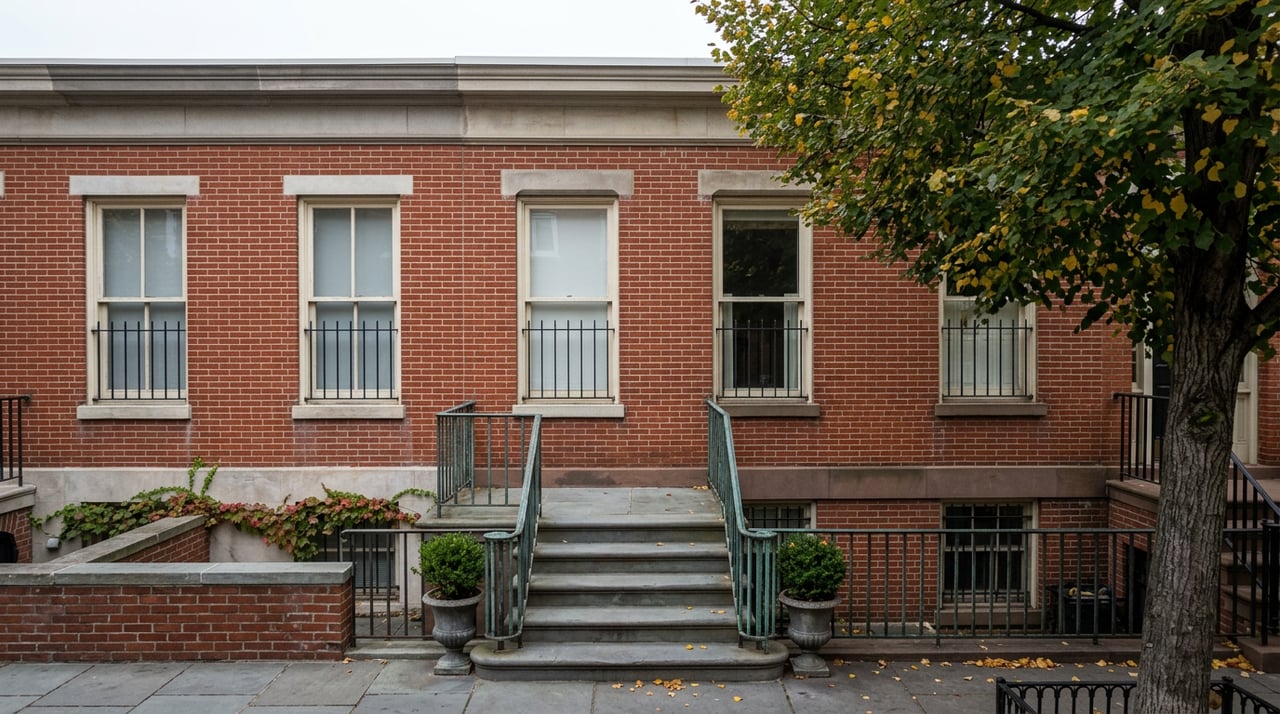
The entry sets the tone. In a brownstone, that may include the stoop, front door, foyer, or parlor-level arrival. Buyers often form an impression before they have fully seen the house.
Make that first moment feel cared for and inviting. Even modest improvements in tidiness, paint touch-ups, and styling can help establish confidence that the rest of the house has been thoughtfully maintained.
Edit Closets And Storage
Storage matters in New York, and buyers notice it. Closets that are too full can look smaller and suggest the house lacks enough room.
Aim for closets that feel organized and easy to use. About half full is a helpful benchmark because it shows capacity without visual stress.
Respect Landmark Rules Before Exterior Work
One of the biggest mistakes sellers can make in a historic district is treating exterior preparation like a standard suburban punch list. Fort Greene’s brownstones sit in a landmarked environment, and that changes the process.
According to the Landmarks Preservation Commission, most exterior alterations require approval before work begins. Ordinary maintenance, such as replacing broken window glass or caulking around windows and doors, usually does not. Interior work generally does not require LPC review unless it affects the exterior or needs a Department of Buildings permit.
If you are considering changes to the façade, stoop, windows, or roofline before listing, address that early. Waiting until the last minute can create delays or uncertainty right when you want to launch confidently.
Separate Maintenance From Alteration
This is an important distinction for sellers. Basic exterior upkeep may be straightforward, but visible changes often require review. Knowing which category your project falls into can save time and help you avoid unnecessary complications.
Just as important, buyers tend to respond well when a seller shows that exterior care has been handled thoughtfully. In a historic district, careful stewardship adds credibility.
Highlight Original Details Thoughtfully
Historic details should be presented as assets, not leftovers. Fort Greene’s landmarked houses are tied to a rich 19th-century design history, and original stoops, façades, ironwork, mantels, and moldings can reinforce a sense of authenticity.
That does not mean a buyer wants a house that feels frozen in time. The strongest presentation usually balances period detail with a clear sense of present-day function. A buyer should be able to appreciate the craftsmanship while also imagining daily life there.
If certain features are original and others have been updated, be ready to explain that clearly. Buyers often want to understand what has been preserved, what has been replaced, and how those decisions support the home overall.
Show That The Home Has Been Cared For
Visible neglect can weaken a strong first impression, especially in a neighborhood where architectural character carries so much weight. The LPC states that owners must keep landmark buildings in a state of good repair, and buyers will often read condition as a signal of how the property has been managed over time.
This does not mean every project needs to be completed before listing. It does mean deferred maintenance, chipped finishes, worn fixtures, or obvious exterior issues should be evaluated carefully. A premium home should look responsibly maintained.
When possible, preparation should support a simple message: this house has been respected, preserved, and positioned for its next chapter.
Build A Stronger Story Around The House
In Fort Greene, buyers are not only buying rooms. They are buying into a way of living that connects architecture, culture, and neighborhood identity. StreetEasy describes Fort Greene as both vibrant and serene, with BAM and the broader cultural scene among its draws.
That means your listing presentation should tell a cohesive story. The house should feel connected to its setting, with emphasis on scale, light, historic detail, and how the layout supports life today.
This is where thoughtful marketing matters. A brownstone that is well prepared, well photographed, and clearly positioned can feel more compelling than one with equal square footage but no narrative clarity.
A Simple Pre-Listing Checklist
Before you bring your Fort Greene brownstone to market, ask yourself:
- Which features are original, and which have been replaced?
- Which rooms get the best natural light, and when?
- Which rooms should be staged, and which should be left more open?
- Are you considering any exterior changes that may require LPC review?
- Which details should be emphasized in photography and showing notes?
These questions can help you focus your efforts where they matter most.
If you are preparing a Fort Greene brownstone for today’s buyers, the goal is not to make it feel generic. It is to make its architecture, condition, and livability easy to understand from the very first showing. With the right strategy, you can preserve the home’s character while presenting it in a way that feels current, confident, and market-ready.
If you are thinking about selling and want a nuanced plan for positioning a townhouse in brownstone Brooklyn, Jeffrey Goodman brings deep Fort Greene knowledge, strong storytelling instincts, and thoughtful seller guidance to every step.
FAQs
What matters most when preparing a Fort Greene brownstone for sale?
- The biggest priorities are clear room function, strong presentation of natural light, thoughtful staging, visible maintenance, and careful handling of any exterior work in the historic district.
Do Fort Greene brownstone sellers need approval for exterior changes?
- In many cases, yes. The Landmarks Preservation Commission says most exterior alterations require approval before work begins, while ordinary exterior maintenance usually does not.
Should you stage a Fort Greene brownstone before listing?
- Staging can help buyers visualize the home more easily. NAR’s 2025 survey found that 83% of buyers’ agents said staging made that easier for buyers.
How should sellers handle original details in a Fort Greene townhouse?
- Original details should usually be highlighted, not hidden. Features like mantels, moldings, stoops, ironwork, and period character can reinforce the home’s authenticity and architectural value.
Why is natural light so important in a Fort Greene rowhouse listing?
- Deep brownstone layouts can make light a major part of buyer perception. Strong natural light helps the home feel more open, inviting, and functional for modern living.