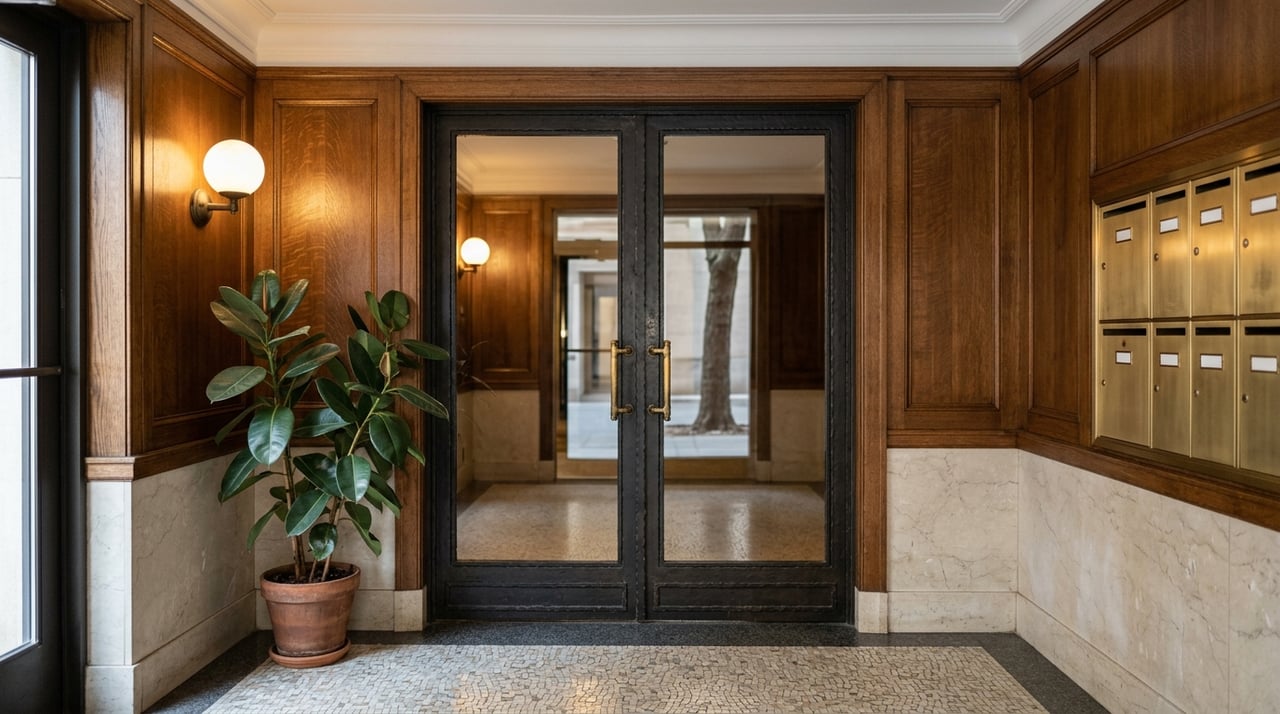
If you are drawn to the Upper West Side, chances are you are not just shopping for an apartment. You are buying into a certain kind of New York living, where prewar buildings, long-standing house rules, and shared decision-making are often part of the package. Understanding how co-op ownership works can help you avoid surprises, ask better questions, and move through the process with more confidence. Let’s dive in.
Why co-ops matter on the Upper West Side
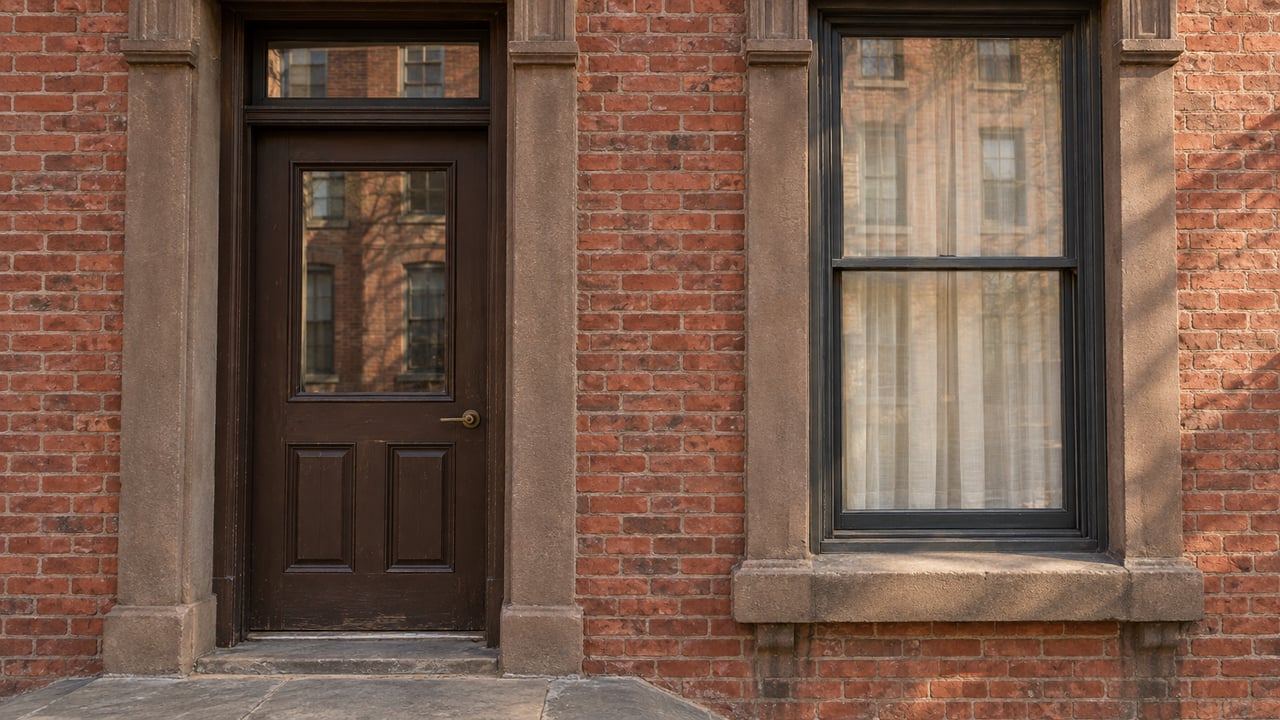
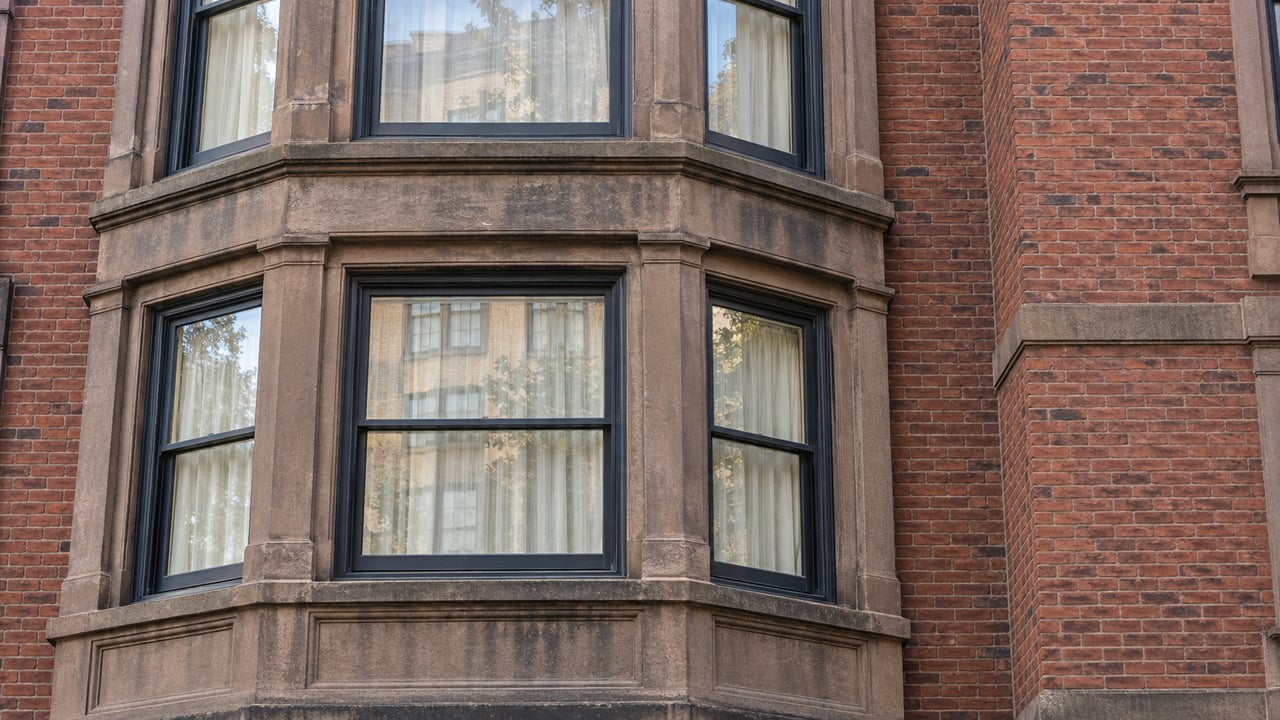
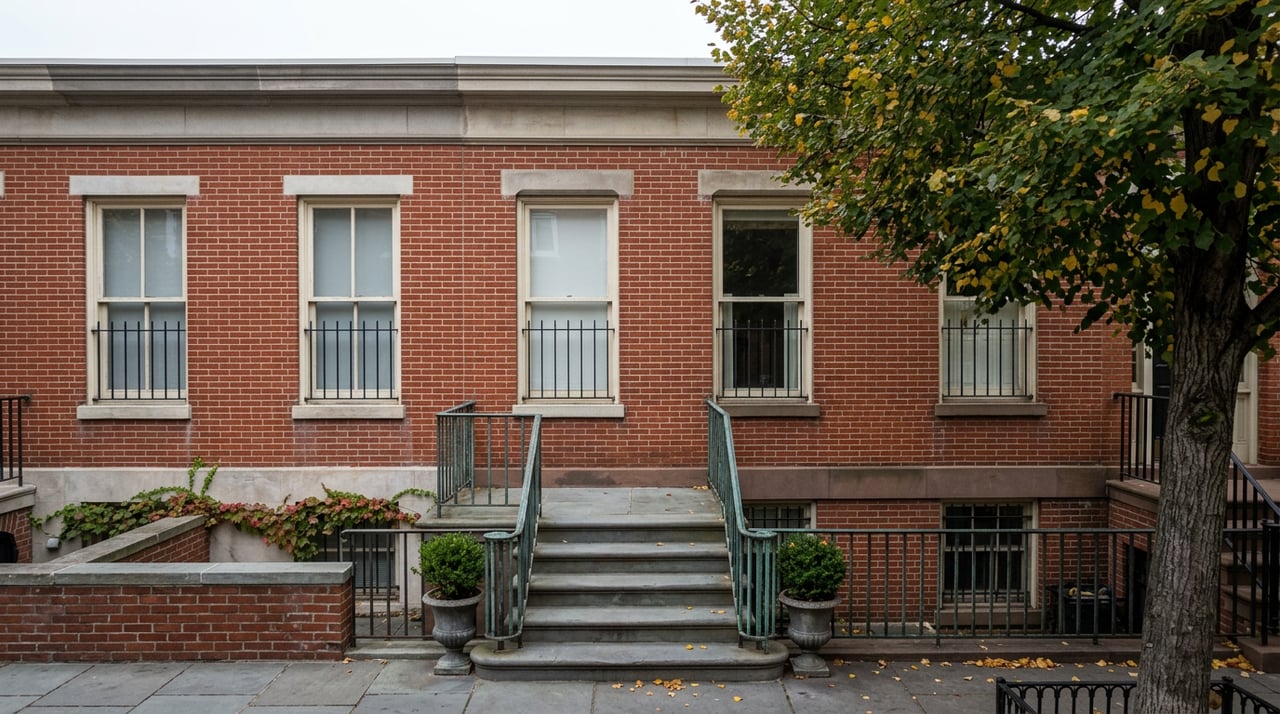
The Upper West Side sits within Manhattan Community District 7, roughly from 59th Street to 110th Street. It is an area shaped by older residential buildings and preservation oversight, including the Upper West Side/Central Park West Historic District described by the Landmarks Preservation Commission as an area with residential, institutional, and commercial buildings from the late nineteenth and early twentieth centuries.
That matters because the neighborhood’s housing stock is not defined mainly by new development. For many buyers, the Upper West Side experience is closely tied to prewar co-op buildings, with all the character, structure, and shared governance that come with them.
What you actually buy in a co-op
A co-op is different from a condo in a basic but important way. Instead of buying the apartment itself, you buy shares in a corporation, and those shares give you the right to occupy a specific unit through a proprietary lease.
Your monthly maintenance is usually based on the number of shares assigned to your apartment. The building is governed by a board elected by shareholders, and that board operates under the bylaws, proprietary lease, and house rules.
If you are buying in a recently converted building, there is another wrinkle to know. In the early years after a conversion, a sponsor may control the board until more than half the shares are sold or five years have passed, whichever comes first.
Why carrying costs deserve close attention
On the Upper West Side, many buyers focus first on purchase price. That is understandable, but monthly costs often play an equally important role in whether a home feels financially comfortable over time.
In Manhattan’s Q4 2025 resale market, co-ops remained a major segment. Elliman reported that co-op sales were up 7% year over year, with a median co-op sale price of $825,000 and average monthly maintenance of $2,938. By comparison, condos had a median sale price of $1.661 million, while average common charges plus taxes were $5,013.
That does not mean a co-op is always the better fit. It does mean that on the Upper West Side, comparing sticker prices alone can miss a big part of the financial picture.
What maintenance usually covers
Co-op maintenance is not just a building fee. In many buildings, it covers operating expenses, property taxes, and sometimes an underlying mortgage on the building itself.
That is one reason maintenance can feel high even when the purchase price looks relatively attractive. It is also why you want to understand not just the current monthly amount, but what is driving it and whether increases may be ahead.
Why due diligence matters more in older buildings
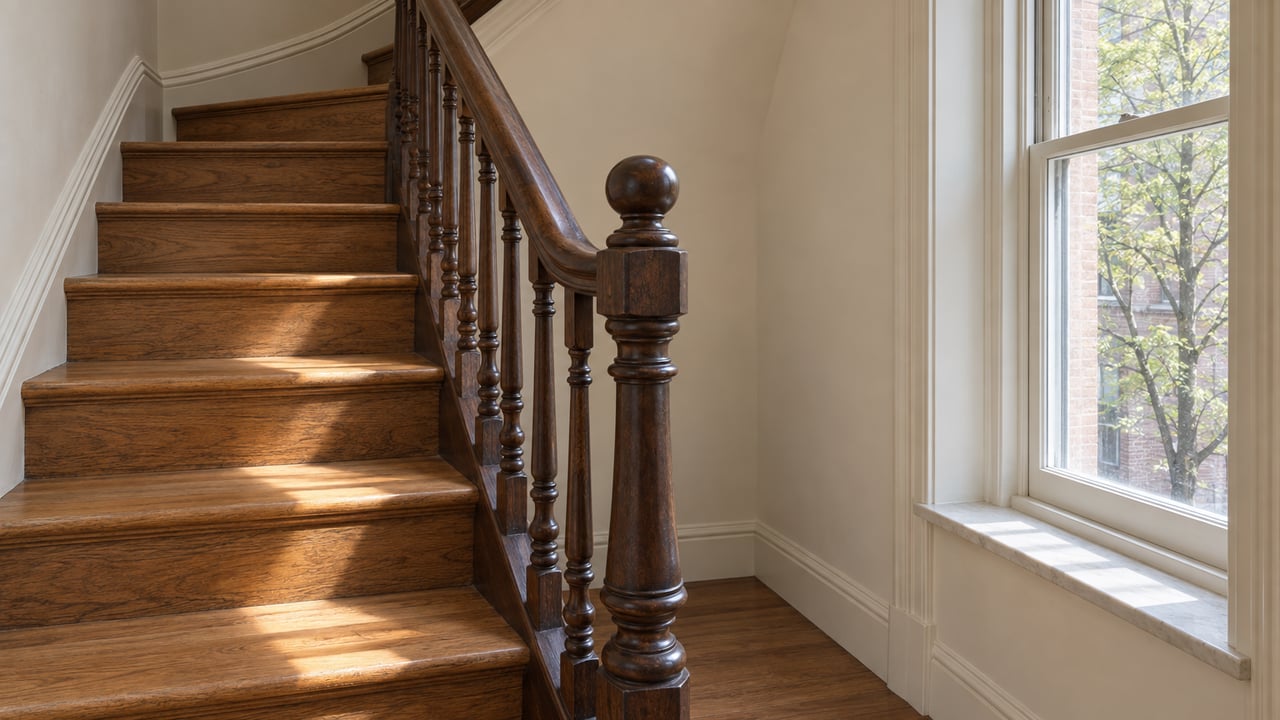
One of the Upper West Side’s biggest appeals is its architecture. The tradeoff is that older buildings can come with more repair and capital-planning complexity.
The New York State Attorney General recommends reading the full offering plan and consulting with an attorney before signing a purchase agreement. The AG also notes that board minutes, financial reports, and conversations with board members, selling agents, and sponsors can reveal building defects, repair needs, and likely future costs.
For existing buildings, some of the larger-ticket items can include:
- Facade work
- Roof repairs or replacement
- Elevator repairs or upgrades
- Plumbing upgrades
- Electrical work
- Boiler replacement
- Significant cosmetic upgrades to common areas
Another important point is that older offering plans may not reflect the building’s current condition. Resale sales by individual owners are not regulated the same way as sponsor sales, so you should treat the building’s recent records as essential, not optional.
The documents worth reviewing early
If you are serious about an Upper West Side co-op, the paperwork is not a formality. It is one of the clearest windows into how the building functions.
The Attorney General notes that shareholders may review annual reports, and New York’s Business Corporation Law gives shareholders access to certain records, including meeting minutes and annual financial statements. For a buyer, those materials can help answer practical questions about reserves, repairs, and whether future maintenance increases may be likely.
A smart review often includes close attention to:
- Annual financial statements
- Board meeting minutes
- The proprietary lease
- House rules
- The offering plan and any amendments available
- Information about recent or planned capital projects
On the Upper West Side, this kind of review is especially important because so many buildings are older and individually distinct. Two co-ops on the same block can have very different finances, policies, and near-term repair outlooks.
Questions to ask when touring
A showing is not just about light, layout, and finishes. In a co-op, it is also your chance to start understanding the building behind the apartment.
Some of the most useful questions to ask include:
- How strong are the building’s reserves?
- Are there planned capital projects such as facade, roof, elevator, plumbing, or boiler work?
- What do the proprietary lease and house rules say about sublets?
- What are the building’s renovation policies?
- What are the pet and guest policies?
- What is the current approval timeline?
- Has the building updated its checklist for the city’s standardized process?
These questions can save you time and narrow your focus to buildings that actually match how you plan to live.
Understanding the board package
For many buyers, the board package is the most intimidating part of co-op living. In practice, it is a detailed financial and personal application designed to help the board evaluate whether a buyer meets the building’s requirements.
A typical New York City co-op board package often includes a financial statement, two years of tax returns, recent bank and investment statements, a cover letter, reference letters, and, if you are financing, a mortgage commitment letter. Requirements vary by building, so there is no single universal checklist.
Some boards also look closely at post-closing liquidity. Reporting cited in the research notes that many boards want to see anywhere from six months to two years of liquidity after closing, and some have become more vigilant about debt-to-income ratios. Those expectations are building-specific, which is why early clarity matters.
Why most decisions happen before the interview
The board interview often feels like the big hurdle, but most rejections typically happen before that stage, based on the written package. That means organization, accuracy, and completeness matter a great deal.
Interview questions often focus on practical lifestyle issues such as job stability, work-from-home noise, renovation plans, entertaining habits, houseguests, sublets, and whether your plans fit the building’s rules and norms. Boards have broad discretion within their governing documents, but fair housing laws still apply.
The takeaway is simple. You should think about board fit as part of the buying decision from the start, not as a last-minute obstacle.
Building culture is part of the purchase
On the Upper West Side, co-op living is often as much about shared expectations as it is about the apartment itself. Boards are usually made up of fellow shareholders who serve without pay, and the Attorney General describes part of their role as resolving problems and keeping peace.
That tends to align with the neighborhood’s broader civic culture. Community Board 7 emphasizes inclusion, quality of life, sustainability, interdependence, and participation, while preservation review helps protect neighborhood character. In practical terms, many buildings care deeply about resident conduct, renovation practices, noise, and how people use shared space.
That does not make one building better than another. It simply means each co-op has its own personality, and the right fit depends on how you want to live.
A new NYC co-op process to watch
There is also an important citywide change on the horizon. NYC Int. No. 1120-B, enacted on January 29, 2026, creates a standardized application package and transfer-requirements framework for co-ops with 10 or more units in New York City.
Under the law, covered buildings must provide the required materials promptly on request, acknowledge receipt within 15 days, and issue a decision within 45 days. The law does not require boards to approve a sale, and it preserves lawful board discretion. HDFCs and transactions that require government approval are excluded.
The law takes effect 180 days after enactment, placing implementation in late July 2026. If you are planning a purchase around that time, it is worth asking how the building is preparing for the updated process.
What smart Upper West Side buyers keep in mind
The Upper West Side co-op experience is best understood as a blend of beautiful older housing stock, shared financial responsibility, and building-specific rules about daily life. If you are considering a purchase here, it helps to approach the process with both curiosity and discipline.
A few habits can make a big difference:
- Read documents early
- Verify monthly maintenance and what it includes
- Review building financials and minutes carefully
- Ask about capital projects and reserve strength
- Understand rules around sublets, guests, pets, and renovations
- Treat board approval and building culture as real parts of the decision
When you do that, you are much more likely to find a co-op that works not just on paper, but in daily life.
If you are weighing an Upper West Side co-op purchase and want a thoughtful, neighborhood-specific perspective, Jeffrey Goodman can help you evaluate the building, the process, and the fit with the kind of New York life you want.
FAQs
What is co-op ownership on the Upper West Side?
- In an Upper West Side co-op, you buy shares in a corporation rather than owning the apartment directly, and your right to live in the unit comes through a proprietary lease.
What does Upper West Side co-op maintenance usually include?
- Co-op maintenance generally covers building operating expenses, property taxes, and sometimes an underlying mortgage on the building.
What documents should you review before buying an Upper West Side co-op?
- You should review the offering plan, annual financial statements, board minutes, proprietary lease, house rules, and any information about planned capital projects.
What do Upper West Side co-op boards look for in a buyer?
- Requirements vary by building, but boards often review finances, tax returns, bank and investment statements, references, post-closing liquidity, and whether your plans fit the building’s rules.
What questions should you ask when touring an Upper West Side co-op?
- Ask about reserves, planned repairs, maintenance details, sublet rules, renovation policies, pet and guest policies, and the building’s approval timeline.
How is the NYC co-op application process changing in 2026?
- For many NYC co-ops with 10 or more units, a new law will require a standardized application and transfer process, a 15-day acknowledgment window, and a 45-day decision timeline beginning in late July 2026.
Why does building culture matter in an Upper West Side co-op?
- Because co-op living involves shared governance and house rules, the building’s approach to noise, renovations, guests, and day-to-day conduct can have a real effect on your experience as an owner.