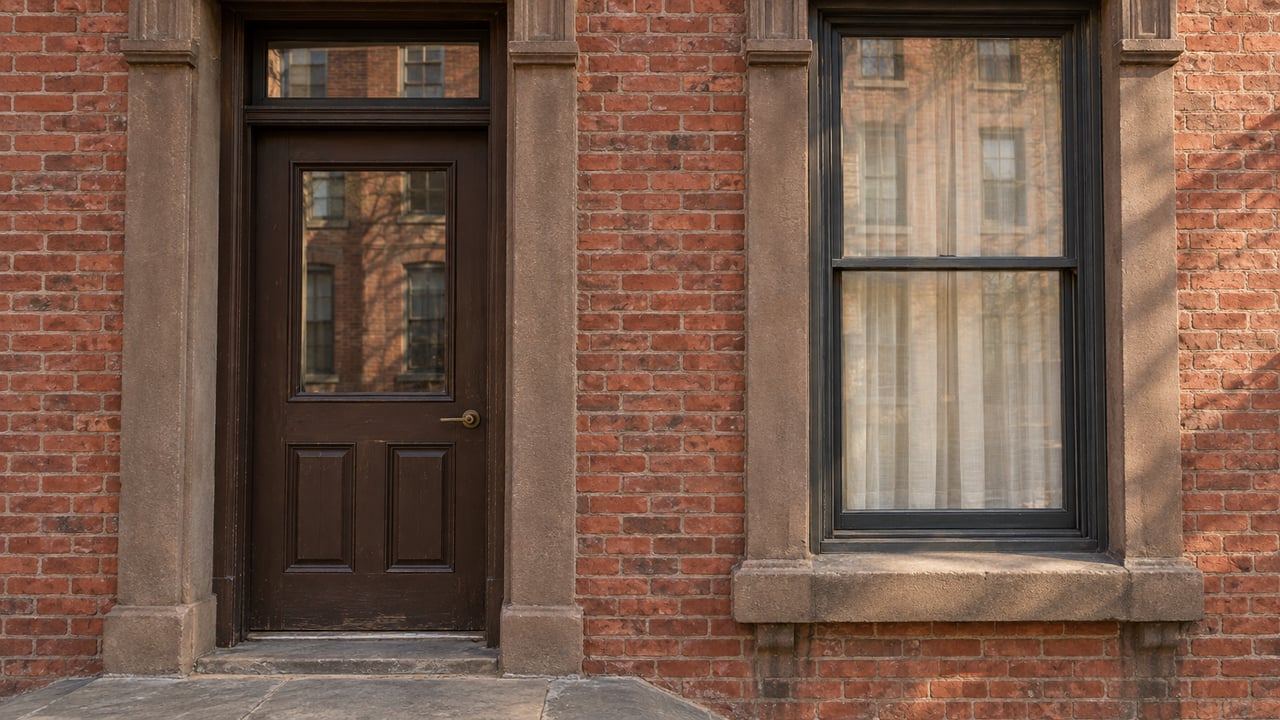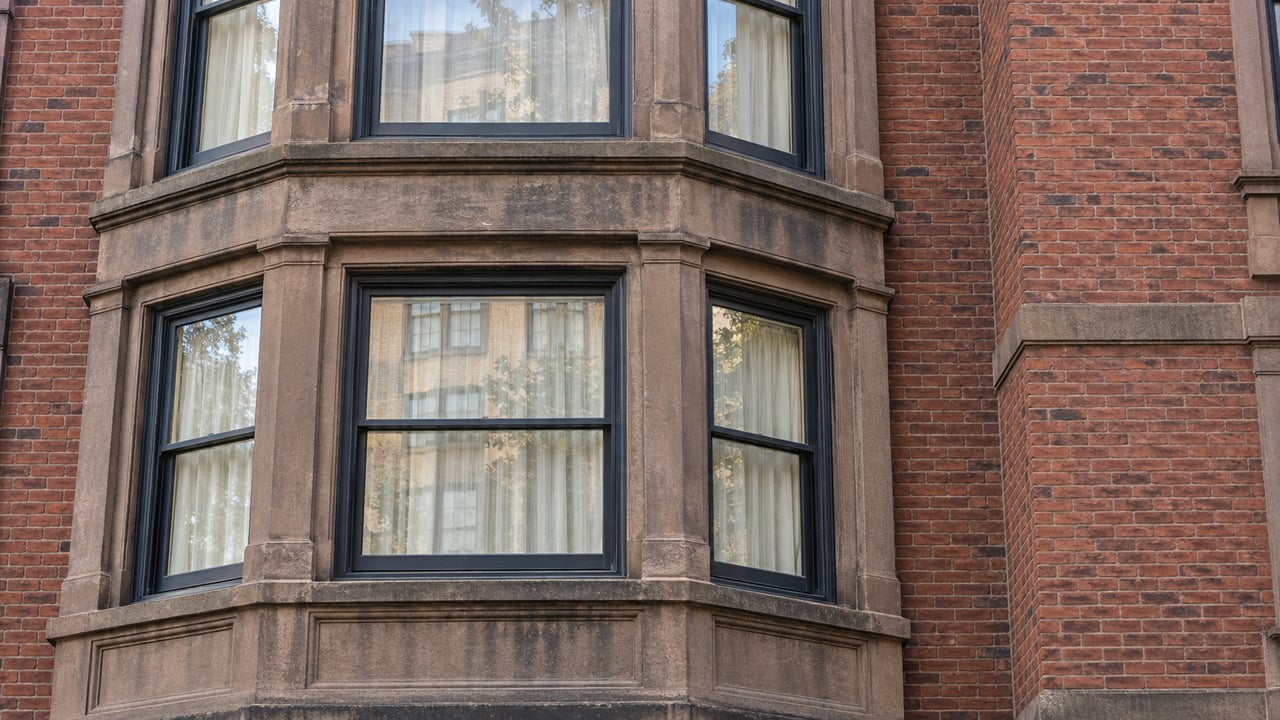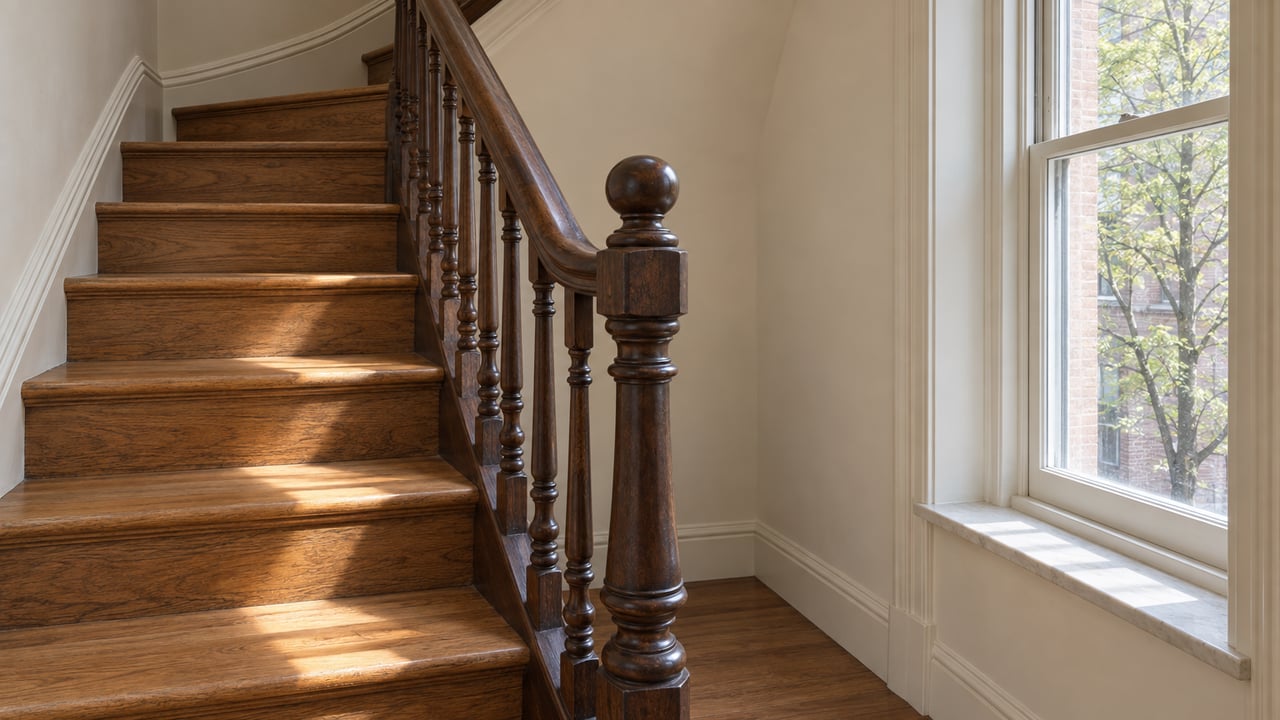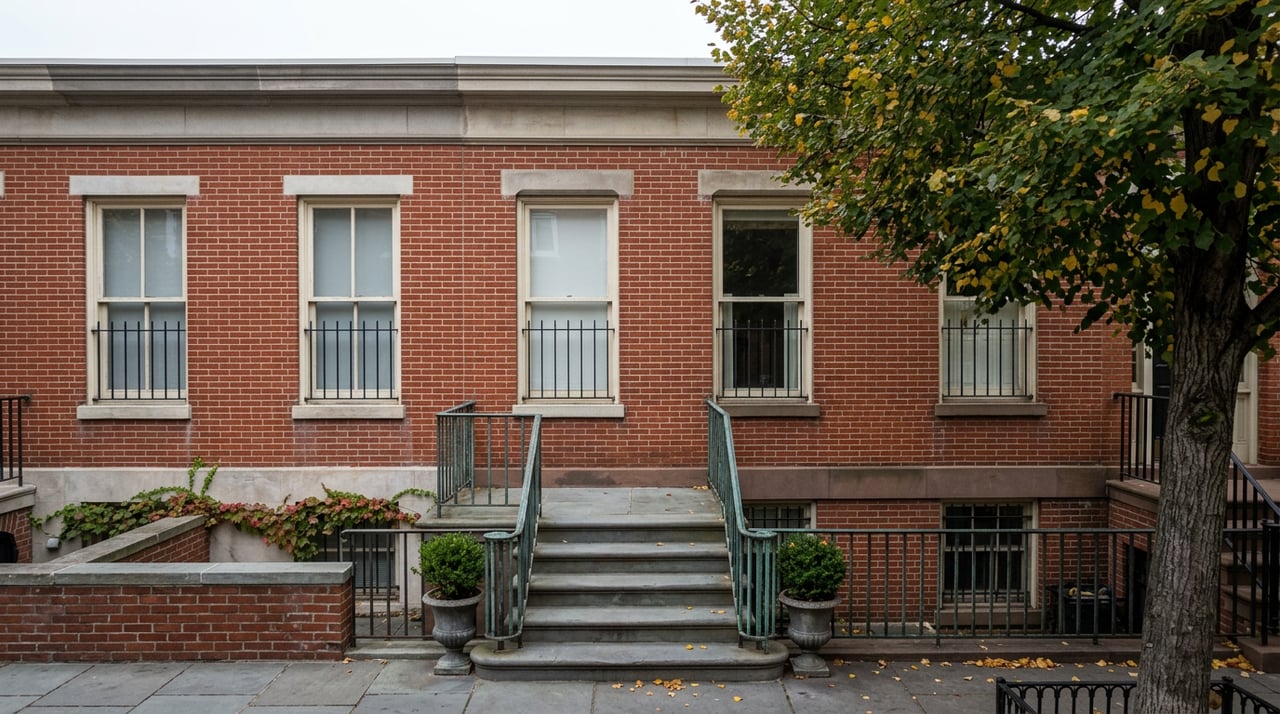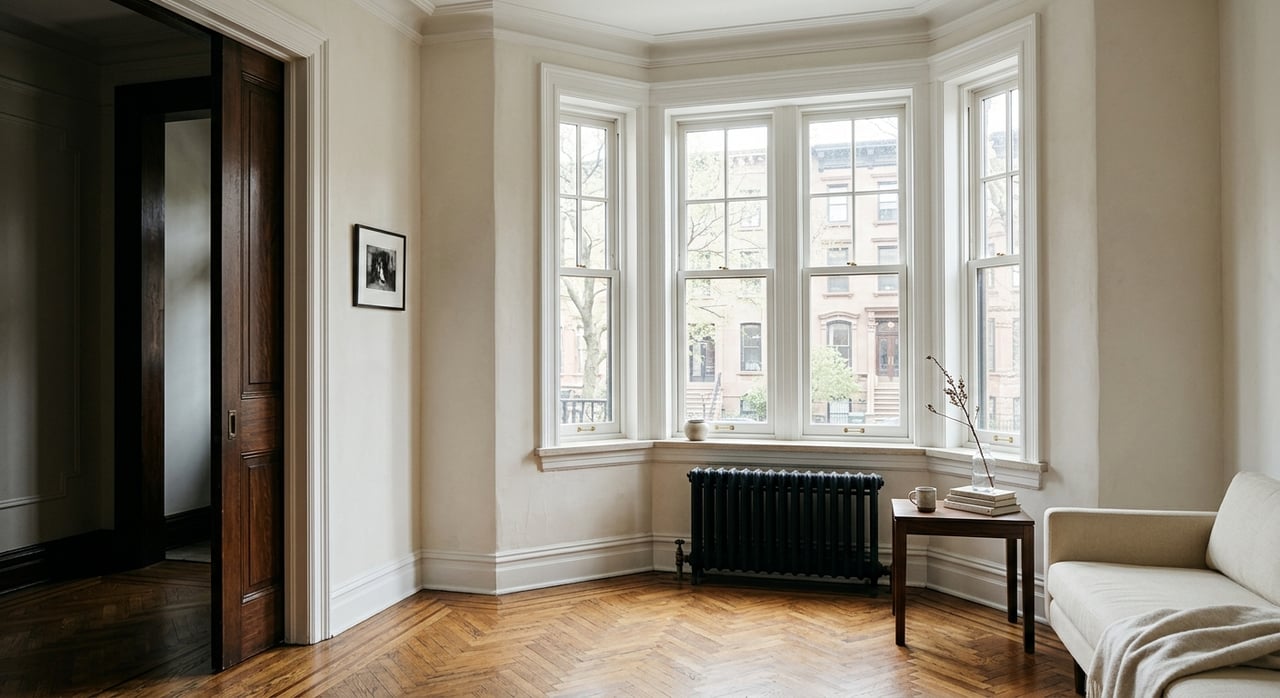
What if the thing that makes Greenwich Village feel so memorable is also what shapes your day-to-day life there? In this part of Manhattan, architecture is not just background scenery. It influences how much light you get, how many stairs you climb, how your rooms flow, and even how the block feels when you come home.
If you are thinking about buying, selling, or simply trying to understand why the Village lives differently from many other neighborhoods, it helps to look past the façades. The built environment here tells you a lot about daily experience. Let’s take a closer look.
Why Greenwich Village Feels Different
Greenwich Village still reads as a low-rise historic neighborhood in large part because so much of its physical fabric has been preserved. The New York City Landmarks Preservation Commission designated the Village Historic District in 1969, and that district, later expanded, covers more than 2,000 buildings across 65 blocks.
That matters because designation reports guide future alterations. In practical terms, the neighborhood’s exterior character stays legible over time. Stoops, cornices, rowhouse rhythms, and historic street walls continue to shape what you see and experience every day.
The Village is also defined by its unusual street pattern. Tree-lined streets, narrow roads, mews, alleyways, small squares, and blocks that shift direction all contribute to a neighborhood that feels intimate and highly walkable.
That sense of discovery is part of daily life. A short walk can take you from a quiet residential row to a corner apartment house, then past a former industrial building adapted for residential use. Few Manhattan neighborhoods compress so many different urban forms into such a human-scaled setting.
How Building Types Shape Daily Life
Rowhouses and Townhouses
Rowhouses and townhouses are among the Village’s most recognizable homes. They usually have narrow fronts, stacked floors, stoops, and in some cases rear yards or mews-facing relationships.
If you live in one, daily life often feels vertical. You move up and down stairs more often, and the connection between your front door and the street can feel much more direct than in a larger apartment building.
That layout also creates a distinct sense of privacy. Even on a lively block, a townhouse can feel domestic and self-contained in a way that differs from multi-unit living.
Prewar Apartment Houses
Prewar apartment houses add another layer to the Village housing mix. In the neighborhood, these buildings were often introduced along Fifth Avenue and at key intersections, where they had to sit alongside lower rowhouses.
For many buyers, prewar means features like higher ceilings, hardwood floors, distinct rooms, separate kitchens, and more traditional layouts. Some are organized around courts, which can help with light and ventilation.
In everyday terms, this often creates a more segmented way of living. You may have clearer separation between cooking, sleeping, working, and entertaining, which can be a real advantage if you prefer defined spaces over one large open room.
Lofts and Converted Industrial Buildings
On the Village’s western and waterfront edges, you find former warehouses, stables, factories, and loft buildings that were later adapted to new uses. These structures bring a different living experience from the rowhouse model.
Lofts and similar conversions often offer larger window openings and more open interiors. That can mean brighter spaces and more flexibility in how you arrange your home.
At the same time, openness changes the feel of everyday life. A loft may feel more exposed, less compartmentalized, and sometimes more echo-prone than a traditional prewar apartment or townhouse.
Walk-Ups and Older Multi-Family Buildings
Walk-ups are another classic Village housing type. In these buildings, stairs are part of the daily routine because there is no elevator.
Older multi-family buildings can also have layouts shaped by earlier design solutions like airshafts, courts, and rear yards that were used to bring light and air into interior rooms. In Greenwich Village, that matters because parts of the neighborhood included tenements, and many older buildings were later remodeled into multiple dwellings.
For you, the takeaway is simple: access, circulation, and room-to-room experience can vary a lot from one building to the next, even on the same block.
How Architecture Affects Light
Light in Greenwich Village often comes down to a few practical factors: building height, street width, floor level, and window size. Because the neighborhood remains largely low-rise, many streets feel open in a different way than areas dominated by towers.
Still, not all homes receive light the same way. Corner units, upper floors, courtyard buildings, studio spaces, and lofts often have an advantage when it comes to daylight.
By contrast, rowhouse interiors and some older tenement-style layouts can be more variable. In those homes, light may have to travel through narrower floor plates or rely on older light courts and airshafts.
If natural light is high on your list, architecture should be part of your search strategy. In the Village, the building type often tells you as much as the square footage does.
How Architecture Affects Noise
Noise follows the geometry of the neighborhood. Interior blocks lined with houses, courts, and lower-rise apartment buildings often feel calmer than busier avenues or commercial corridors.
That difference comes from the way the Village was built. The district descriptions contrast quieter residential rows with shopping streets, larger buildings at intersections, and more active neighborhood edges.
For daily life, this can be significant. A rear-facing prewar apartment or an interior rowhouse block may offer a more buffered experience, while a home on a commercial stretch may feel more connected to the street’s energy.
Neither is inherently better. It depends on whether you want a home that feels tucked away, or one that puts you in closer contact with the pace of the neighborhood.
How Architecture Affects Layout
One of the most overlooked parts of architecture is how it shapes your routine indoors. Greenwich Village housing often reflects older design logic, which means layouts can feel quite different from newer construction.
Townhouses tend to create vertical living. Prewar apartments often divide rooms more clearly. Lofts reverse that pattern by offering large, flexible volumes that can adapt to different uses.
That affects how you host, where you work, how you store things, and how easily you separate public and private parts of your life. For some buyers, a traditional layout feels orderly and comfortable. For others, an open loft-like plan better matches how they live now.
How Streetscape Shapes Daily Experience
In Greenwich Village, the street itself is part of the appeal. Washington Square, Sheridan Square, Washington Mews, MacDougal Alley, and Gay Street are not just points on a map. They are distinct spatial experiences.
Small squares, bends in the road, alleys, and mews make the neighborhood feel layered and intimate on foot. That is a big part of why everyday errands, evening walks, and even the trip home can feel more textured here than in a more regular street grid.
This is also where preservation matters most. Because the neighborhood’s exterior fabric remains readable, the visual rhythm of stoops, cornices, and lower street walls continues to shape the emotional experience of living here.
Why the Edges Matter Too
Greenwich Village does not exist in isolation. From a city planning perspective, it sits within Manhattan Community District 2, alongside places like West Village, NoHo, SoHo, Chinatown, Little Italy, the Lower East Side, and the Gansevoort Market area. Nearby Community District 3 includes East Village and parts of the Lower East Side.
That broader downtown context helps explain why the Village can change so quickly at the edges. Rowhouse streets, loft blocks, mixed-use corridors, and busier commercial stretches are all close neighbors.
For you, that means location within the Village matters almost as much as the neighborhood name itself. Two homes may both carry a Greenwich Village address, yet offer very different light, sound, circulation, and street feel.
What This Means If You’re Buying or Selling
If you are buying in Greenwich Village, architecture should be part of how you evaluate fit. The right home is not just about finishes or square footage. It is also about whether you want stoop living, elevator convenience, loft openness, or a more traditional prewar layout.
If you are selling, the building’s architectural character is not just descriptive detail. It helps tell the story of how the home lives. Buyers in Greenwich Village often respond to that deeper context because they are not only choosing an apartment or townhouse. They are choosing a daily experience shaped by the neighborhood itself.
That is one reason hyperlocal knowledge matters here. In a place as layered as Greenwich Village, understanding architecture can help you make a more confident decision and position a property more thoughtfully.
If you want guidance that blends market perspective with real neighborhood context, connect with Jeffrey Goodman.
FAQs
How does Greenwich Village architecture affect daily life?
- Greenwich Village architecture affects daily life through light, noise, layout, stairs, and street feel, since rowhouses, prewar buildings, lofts, and walk-ups all create different living experiences.
Which Greenwich Village homes usually get the best light?
- In Greenwich Village, corner units, upper floors, lofts, studio spaces, and buildings organized around courts often have stronger daylight than narrower rowhouse interiors or older layouts that rely on light courts.
Which Greenwich Village building types usually have the most stairs?
- In Greenwich Village, townhouses and walk-up buildings usually involve the most stairs because they rely on vertical circulation and often do not include elevators.
How do Greenwich Village prewar apartments differ from lofts?
- Greenwich Village prewar apartments often have more distinct rooms and traditional layouts, while lofts usually offer larger windows and more open, flexible interiors.
Why does Greenwich Village feel so walkable and intimate?
- Greenwich Village feels walkable and intimate because of its preserved low-rise streetscape, tree-lined blocks, small squares, mews, alleyways, and streets that shift direction rather than following a rigid grid.
Why does location within Greenwich Village matter so much?
- Location within Greenwich Village matters because homes on quiet interior blocks can feel very different from homes near avenues, intersections, or mixed-use corridors, even within the same neighborhood.