What does everyday life on the Upper West Side actually feel like once you move past the postcard version of the neighborhood? If you are considering a move here, or simply trying to understand whether it fits your routine, the answer is more layered than just “close to Central Park.” The Upper West Side offers a mix of residential calm, cultural access, classic architecture, and easy transit that shapes how people live day to day. Let’s take a closer look.
Upper West Side at a Glance
The Upper West Side is Manhattan Community District 7, stretching from 59th to 110th Streets between Central Park West and the Hudson River, according to the Manhattan Community Board 7 overview. In a citywide context, it remains one of New York’s larger and more expensive neighborhoods, ranking high for population, median income, and rent level in Furman Center data.
What stands out most, though, is how the neighborhood balances energy and livability. Community Board 7 describes it as a place that draws residents and visitors to parks, retail, restaurants, cultural institutions, and diverse architecture. In practical terms, that means your daily routine can feel both grounded and full.
Daily Rhythm Feels Walkable
The Upper West Side is a place where walking is part of ordinary life. Errands, coffee runs, museum visits, subway trips, and park time often happen within a compact, easy-to-navigate area.
That rhythm is reflected in transportation patterns. The neighborhood had an 88.5% car-free commute rate in 2024, and NYC DOT said roughly 73% of households do not own a car in its Smart Curbs program announcement. If you prefer getting around on foot, by subway, by bus, or by bike, the Upper West Side is built for that kind of movement.
Parks Shape Everyday Living
One of the biggest lifestyle advantages here is not just access to a park, but access to two major parks that frame the neighborhood. On the east side, Central Park runs from 59th to 110th Street along Central Park West and spans 843 acres. On the west side, Riverside Park offers miles of parkland and programming that support arts, recreation, wellness, and community events.
That matters because green space is not just decorative here. It is woven into daily routines, whether you are heading out for a morning walk, meeting friends outside, or looking for an easy way to break up the pace of the day.
Architecture Gives the Area Texture
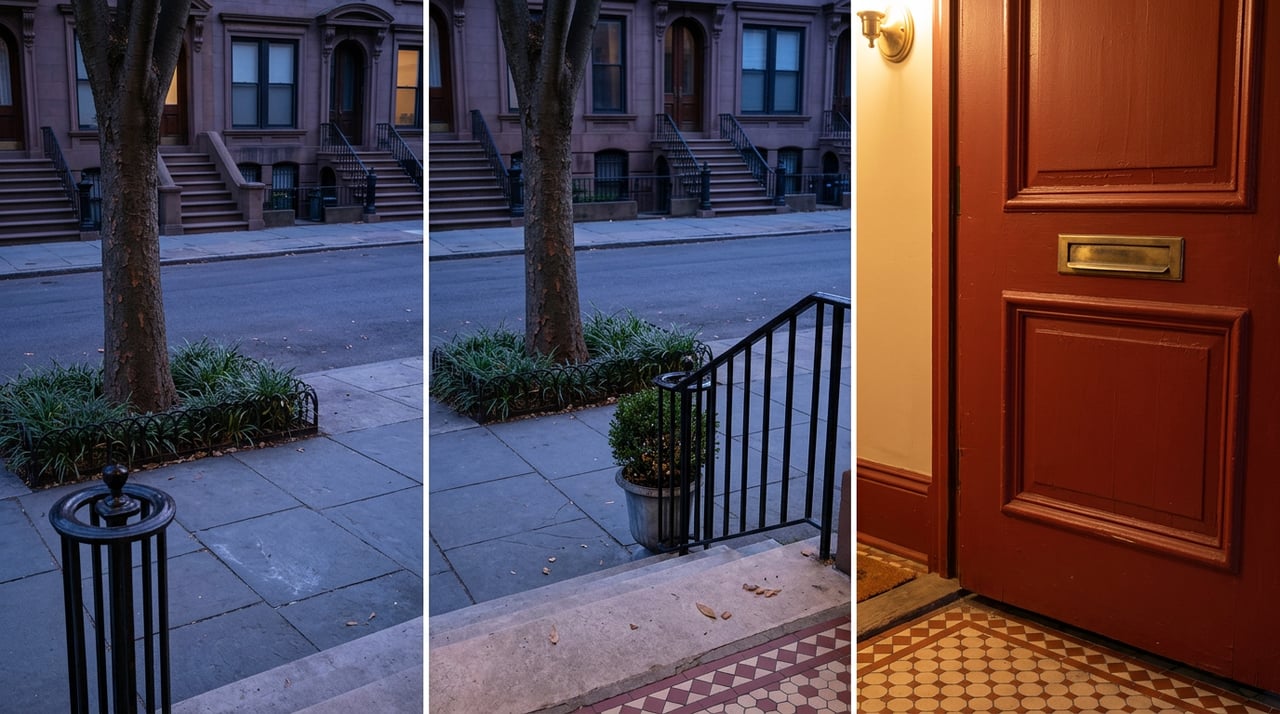
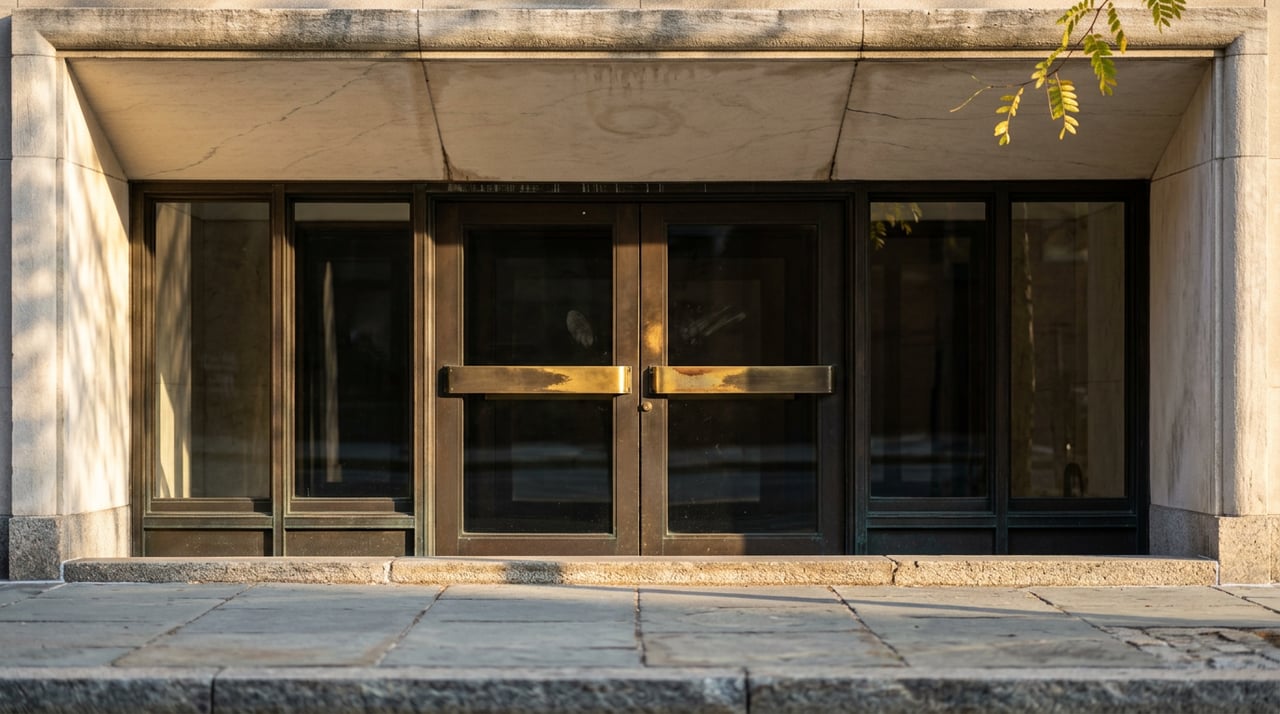
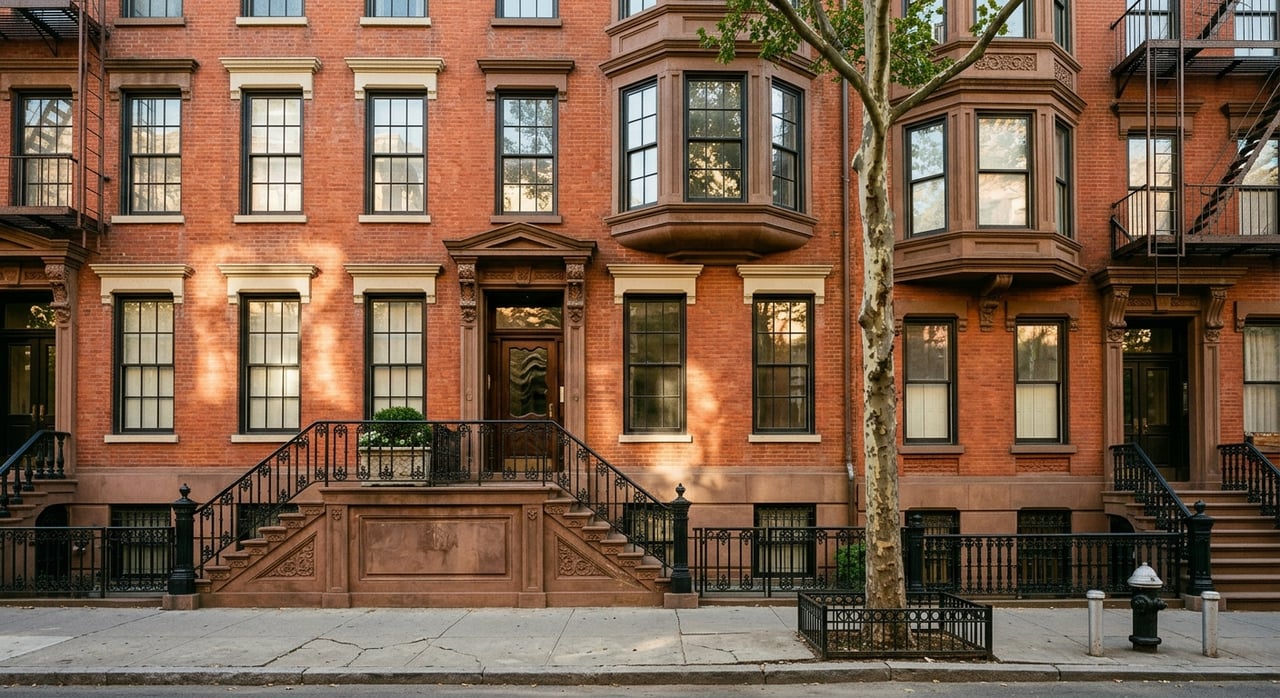
The Upper West Side is one of those Manhattan neighborhoods where the streetscape changes in ways that keep it visually interesting. According to the city’s Upper West Side planning study, west of Amsterdam Avenue you see dense tall buildings mixed with townhouses and multifamily apartment buildings. Riverside Drive and West End Avenue are known for large prewar apartment buildings, while narrower side streets often feature three- to five-story townhouses or multiple dwellings.
Broadway adds another layer, combining lower-rise commercial buildings with taller apartment houses. North of 104th Street in Manhattan Valley, the built form shifts again to a generally lower-scale mix of four- to five-story apartment buildings and row houses, much of it built between 1900 and 1920.
This variety helps explain why the neighborhood feels established without feeling uniform. You get a strong sense of place, but not a repetitive one.
Historic Character Still Matters
A large part of the neighborhood’s visual identity comes from preservation. The Landmarks Preservation Commission map shows the Upper West Side/Central Park West Historic District, and city landmark rules generally require LPC review for exterior changes to landmarked buildings and buildings within historic districts.
For you as a buyer or resident, that often translates into streets that feel cohesive and architecturally consistent. It also helps explain why certain blocks retain such a strong historic look and why building exteriors may be more carefully regulated than in other parts of the city.
Housing Is More Varied Than Many Assume
The Upper West Side is often discussed as a classic prewar Manhattan neighborhood, and that image is certainly part of the story. But the housing picture is broader than that.
Furman Center reports that the neighborhood included 271 subsidized properties and 5,926 public housing units as of 2024. That means market-rate buildings exist alongside a meaningful public and subsidized housing presence. If you are trying to understand the neighborhood honestly, it is important to see it as a mixed housing environment rather than a single-type market.
Culture Is Part of the Routine
Some neighborhoods require a dedicated trip for arts and culture. On the Upper West Side, culture is part of the local landscape.
Lincoln Center sits between West 62nd and 65th Streets and Columbus and Amsterdam Avenues. The American Museum of Natural History is at 200 Central Park West, The New York Historical is at 170 Central Park West, and the neighborhood is also served by the Riverside and Bloomingdale branches of the New York Public Library. Community Board 7 also points to destinations like the Beacon Theatre and Symphony Space.
For everyday life, that means your options for a weekday evening or weekend afternoon are unusually rich. You can live in a residential neighborhood and still have major cultural institutions woven into your normal radius.
Transit Makes the Neighborhood Practical
Lifestyle only works if daily logistics work too, and the Upper West Side is strong on that front. Community Board 7 says the neighborhood has five major subway lines, four crosstown bus lines, and five north-south bus lines.
Specific institutions highlight how connected the area is. The American Museum of Natural History notes access via the B, C, and 1 trains as well as buses including the M79, M7, M10, M11, M86, and M104, while Lincoln Center points to nearby 1 and A/B/C/D service. For residents, that kind of network helps make commutes, cross-town travel, and spontaneous plans much easier to manage.
Street Life Favors People Over Cars
The Upper West Side is one of the clearest examples of a Manhattan neighborhood designed around people moving in different ways, not around private car storage. NYC DOT’s Smart Curbs rollout first phase covered part of the neighborhood bounded by West 86th Street, Central Park West, West 72nd Street, and Broadway, adding features like loading zones, bike corrals, and a street seat.
That might sound technical, but it says something important about daily life. In a dense residential area where many households do not own cars, the street has to work for pedestrians, deliveries, cyclists, buses, and shared use. That supports a streetscape that feels active, functional, and urban in the best New York sense.
What Everyday Life Often Comes Down To
When people picture the Upper West Side, they often focus on one feature, such as Central Park, prewar buildings, or cultural landmarks. In reality, the appeal comes from how those elements work together.
You have a neighborhood that is residential but not sleepy, historic but still active, and dense without feeling detached from open space. You can step outside and quickly reach parks, transit, local services, and some of the city’s best-known cultural institutions. That combination is what gives the Upper West Side its staying power.
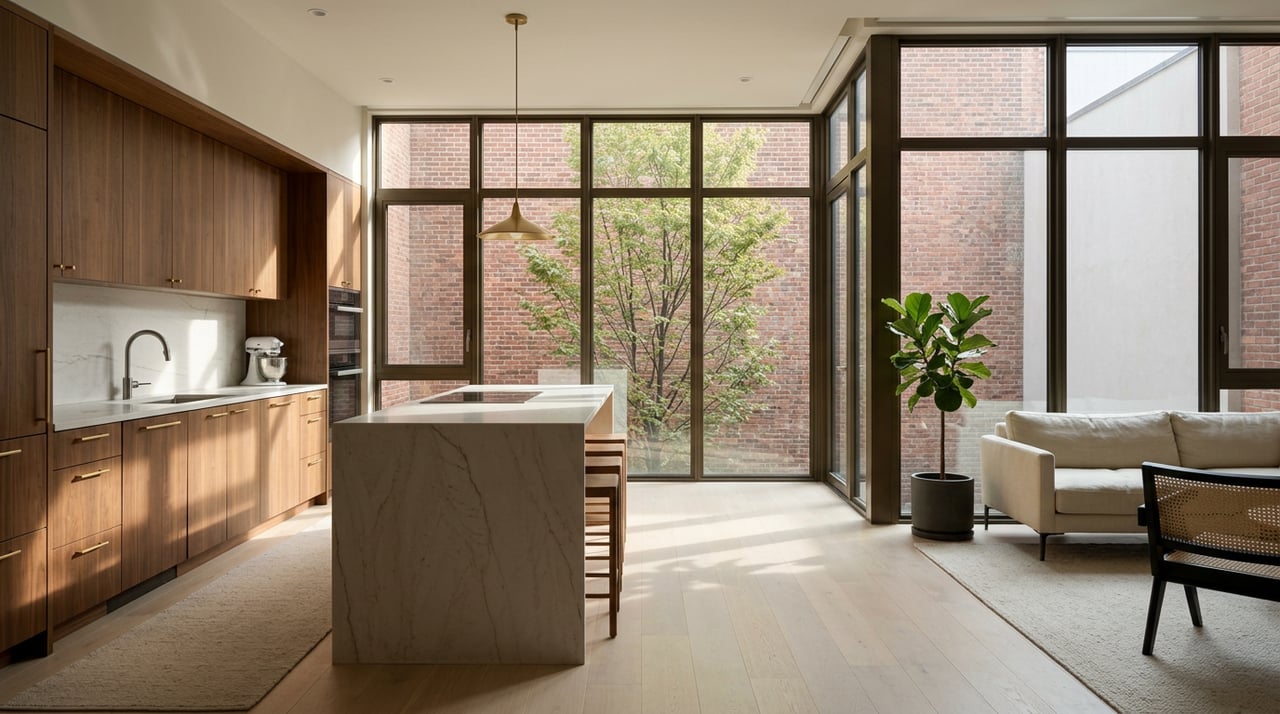
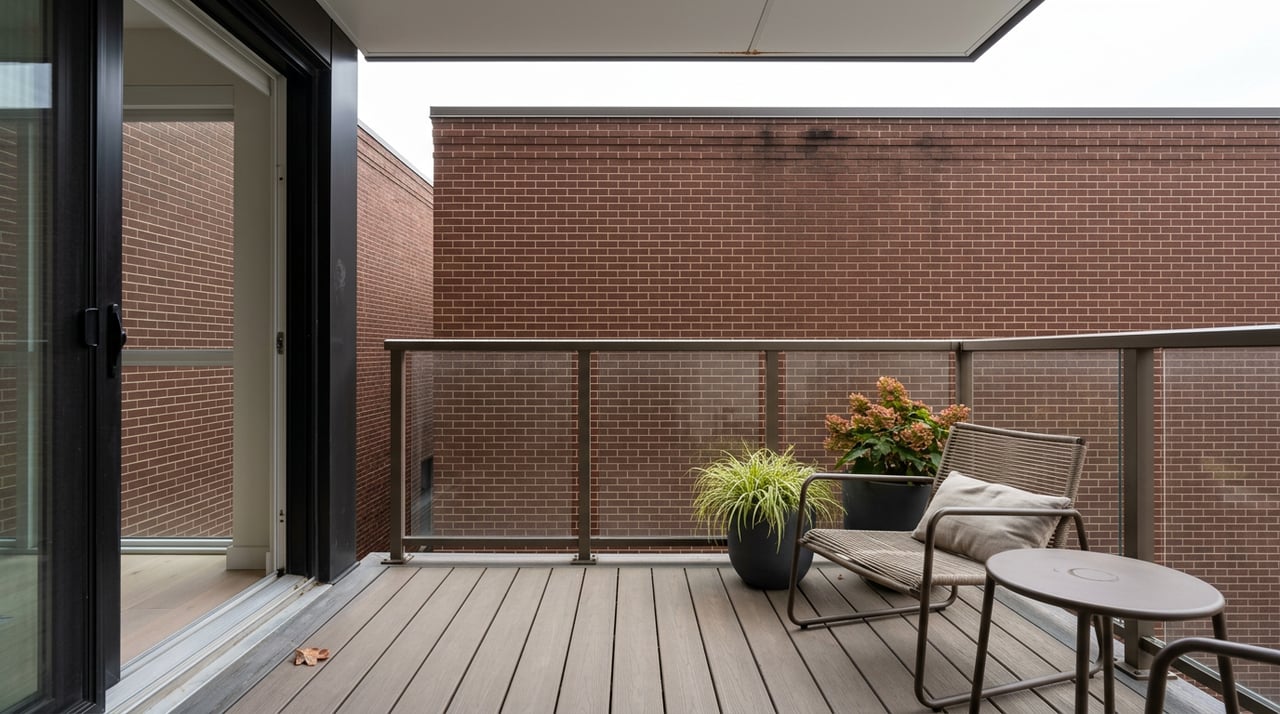
If you are thinking about buying or selling on the Upper West Side, local context matters as much as square footage or finishes. Working with Jeffrey Goodman means having a guide who understands not just the inventory, but the daily texture, architecture, and neighborhood rhythm that shape smart real estate decisions.
FAQs
What is the Upper West Side known for in daily life?
- The Upper West Side is known for a residential feel combined with strong access to parks, cultural institutions, retail, restaurants, and public transportation.
How walkable is everyday life on the Upper West Side?
- Everyday life is highly walkable, and the neighborhood’s car-free commuting and low car ownership rates reflect how many residents rely on walking, transit, buses, and biking.
What kinds of homes are common on the Upper West Side?
- The neighborhood includes large prewar apartment buildings, taller multifamily buildings, townhouses, row houses, and lower-scale apartment buildings in areas such as Manhattan Valley.
How do parks affect Upper West Side living?
- Parks play a major role because both Central Park and Riverside Park are integrated into daily routines, giving residents regular access to open space, recreation, and events.
Is the Upper West Side convenient for transit?
- Yes, the neighborhood has multiple subway lines and bus routes, making it practical for commuting, crosstown travel, and getting around Manhattan.
Why does the Upper West Side look so architecturally consistent?
- Much of the neighborhood’s visual cohesion comes from historic-district protections and landmark rules that help preserve building exteriors and streetscapes.