If you are thinking about buying a pied-à-terre in Greenwich Village, you are probably not just looking for a place to sleep in Manhattan. You are looking for a neighborhood with texture, history, and a real sense of place. The good news is that Greenwich Village can offer exactly that, but the right purchase depends as much on the building as the address. This guide will help you understand what makes the Village appealing, what kinds of homes you are likely to see, and which questions matter most before you make an offer. Let’s dive in.
Why Greenwich Village appeals to pied-à-terre buyers
Greenwich Village has long stood apart as one of Manhattan’s most historically distinctive neighborhoods. It sits within Manhattan Community Board 2, and its identity is shaped by a dense streetscape, notable architecture, and a strong cultural presence.
The Greenwich Village Historic District was designated in 1969 and, at the time, was the largest historic district in New York City. It includes more than 2,000 buildings across more than 65 blocks. For many buyers, that scale matters because it helps preserve the neighborhood’s visual character and gives the area a consistency that is hard to find elsewhere in Manhattan.
The lifestyle appeal is just as important. The area is closely associated with Washington Square Park, NYU, jazz clubs, Off-Broadway theaters, the Whitney Museum of American Art, and Parsons School of Design. If you want a part-time Manhattan home that feels connected to the city’s cultural life, Greenwich Village often rises to the top of the list.
What housing stock looks like here
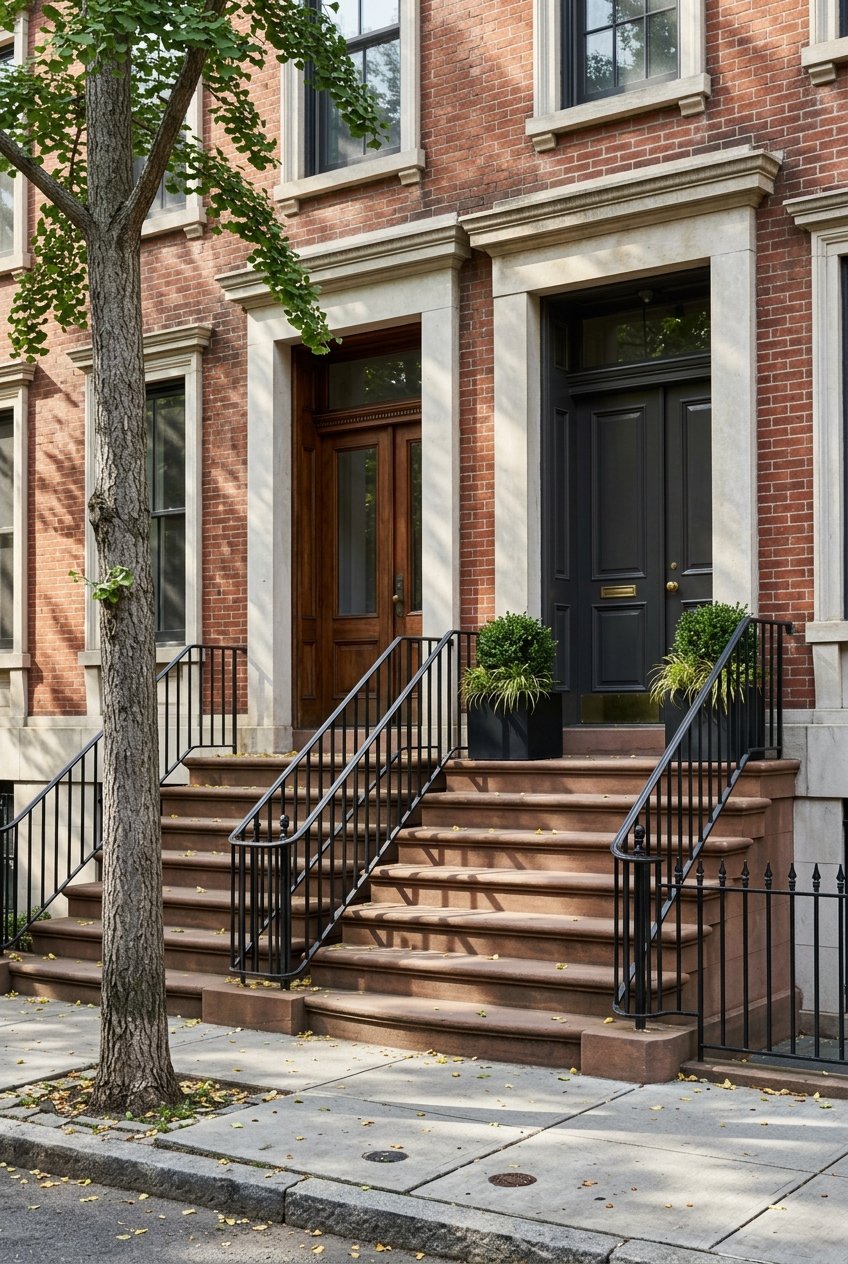
One of the first things to know is that Greenwich Village does not offer one standard housing type. Your search may include landmarked townhouses, prewar apartment buildings, loft conversions, residential conversions, and some newer infill development.
That variety can be a real advantage. It gives you more ways to match your budget, preferred layout, and level of maintenance to how you plan to use the home. At the same time, it means you should not assume that one building works like the next, even when two properties sit on the same block.
Historic district materials reference Federal, Greek Revival, Gothic Revival, and Italianate buildings. In practical terms, that means the Village can offer everything from intimate prewar apartments to loft-like spaces and classic townhouse settings. For a pied-à-terre buyer, that architectural mix is part of the charm.
Co-op, condo, or loft matters
In Greenwich Village, the ownership structure may shape your experience more than the floor plan. If you buy in a co-op, you are purchasing shares in the corporation and occupying the apartment under a proprietary lease. The building is managed by a board of directors that follows the bylaws and the proprietary lease.
In a condo, you own the real property of your unit along with an undivided interest in the common areas. That difference can affect how the purchase is reviewed, how building rules are applied, and how flexible the building may be about part-time occupancy.
If you are considering a loft conversion or loft-like apartment, there is another layer to review. You will want to confirm legal residential status and any certificate-of-occupancy issues, since lofts can have a different regulatory history from standard apartments.
Building rules are central to pied-à-terre use
For many buyers, the key question is simple: can you actually use the apartment the way you plan to? In Greenwich Village, that answer often depends on the building’s governing documents rather than the neighborhood itself.
The New York State Attorney General says co-op boards must follow the bylaws, proprietary lease, and house rules. Those documents also set important policies such as subletting and operating rules. Before you sign anything, the Attorney General recommends reading the offering plan carefully and consulting an attorney because co-op and condo purchases carry significant legal and financial consequences.
This is especially important for a pied-à-terre. Some co-ops prefer full-time owner occupancy. Some buildings may market themselves as not allowing pied-à-terre use, while others may create practical limits through sublet rules, guest policies, or amenity access rules that make part-time ownership less convenient.
Tax treatment is not the same as a primary home
If you are buying a second home in the Village, do not assume it will be treated like a primary residence for tax purposes. New York City’s Cooperative and Condominium Property Tax Abatement is tied to primary-residence certification.
That means the owner must certify that the apartment is their primary residence, and boards or managing agents must collect and submit that information each year. A pied-à-terre purchase can still make sense, but you should plan around the possibility that it will not receive the same treatment as a primary home.
This is one of those details that can affect your true cost of ownership. It is worth understanding early, especially if you are comparing buildings with different monthly carrying costs.
Questions to ask before making an offer
A Greenwich Village pied-à-terre purchase usually goes more smoothly when you ask the right questions up front. The goal is not just to find a beautiful apartment. It is to confirm that the building, documents, and monthly costs fit the way you plan to live.
Here are some of the most important questions to raise during your search and due diligence:
- What is the building’s ownership type?
- Which documents control occupancy and use, such as the offering plan, bylaws, proprietary lease, house rules, declaration, or condominium bylaws?
- Does the building permit pied-à-terre use or part-time occupancy?
- Are there guest restrictions, minimum stay expectations, or rental and sublet limits?
- What do recent board minutes and financial reports show?
- Are there signs of major upcoming work involving the facade, roof, elevator, plumbing, electrical systems, or boiler?
- If the building is landmarked or within the historic district, what exterior work would require review by the Landmarks Preservation Commission?
- If the apartment is in a loft conversion, is there a legal residential certificate of occupancy?
- What is the full monthly carry once maintenance or common charges, taxes, assessments, and any underlying mortgage obligations are included?
These questions can save you time, money, and frustration. They can also help you avoid falling in love with a property that is not a practical fit.
Historic district rules can affect future plans
Many buyers are drawn to Greenwich Village because of its historic character. That character is a big part of the neighborhood’s appeal, but it can also affect future renovation plans.
If a building is landmarked or located within the historic district, most exterior changes require review by the Landmarks Preservation Commission. That can include facade work and other exterior alterations. If your long-term plan involves changing windows, modifying exterior elements, or taking on visible building work, it is wise to understand that process before you buy.
This does not make ownership harder by default. It simply means that the building’s rules and the historic context should be part of your decision-making from day one.
Older buildings deserve close review
Greenwich Village’s building stock is one of its greatest strengths, but older buildings can come with real maintenance needs. According to the New York State Attorney General, board minutes, financial reports, and violation records can reveal building defects or major future repairs.
In many older properties, the most expensive projects may involve facades, roofs, elevators, plumbing, electrical work, and boilers. For a pied-à-terre buyer, these costs matter because they can affect both monthly expenses and your comfort level as a part-time owner.
A smart purchase is not just about buying into beauty and location. It is also about understanding how well the building is run and whether upcoming capital work could change your budget.
How to think about fit in Greenwich Village
The best Greenwich Village pied-à-terre is not always the most charming apartment or the prettiest block. It is the home that matches your lifestyle, your usage pattern, and the building’s actual policies.
If you plan to be in the city often, a co-op with stricter norms may still work well if pied-à-terre use is clearly allowed. If you want more flexibility, a condo or a building with less restrictive occupancy rules may be a better match. If you are drawn to loft spaces, due diligence becomes even more important.
This is where neighborhood knowledge helps. In Greenwich Village, every block tells a story, but every building has its own logic. Understanding both is what turns a good search into a smart one.
If you are considering a pied-à-terre in Greenwich Village and want guidance that combines building-level due diligence with true neighborhood context, Jeffrey Goodman can help you evaluate the options with clarity and confidence.
FAQs
What makes Greenwich Village appealing for a pied-à-terre?
- Greenwich Village appeals to many pied-à-terre buyers because it combines historic architecture, a dense walkable streetscape, and access to cultural institutions such as Washington Square Park, jazz venues, Off-Broadway theaters, and nearby arts destinations.
What type of homes can you find in Greenwich Village?
- Buyers will usually encounter a mix of landmarked townhouses, prewar apartment buildings, loft conversions, residential conversions, and some newer infill development rather than one uniform housing type.
Why do co-op rules matter for a Greenwich Village pied-à-terre?
- Co-op rules matter because the bylaws, proprietary lease, house rules, and offering plan may shape whether part-time occupancy is permitted and how guest use, subletting, and day-to-day ownership are handled.
Can a Greenwich Village pied-à-terre get the same tax treatment as a primary residence?
- Not necessarily, because New York City’s cooperative and condominium property tax abatement is tied to primary-residence certification, so a second home should not automatically be expected to receive the same treatment.
What should you review before offering on a Greenwich Village apartment?
- Before making an offer, you should review the building’s ownership structure, governing documents, occupancy rules, financial reports, board minutes, potential assessments, and any issues involving landmark status or certificate of occupancy.
Do loft apartments in Greenwich Village need extra due diligence?
- Yes, because loft conversions may have distinct regulatory histories, and buyers should confirm legal residential status and certificate-of-occupancy details before moving forward.